
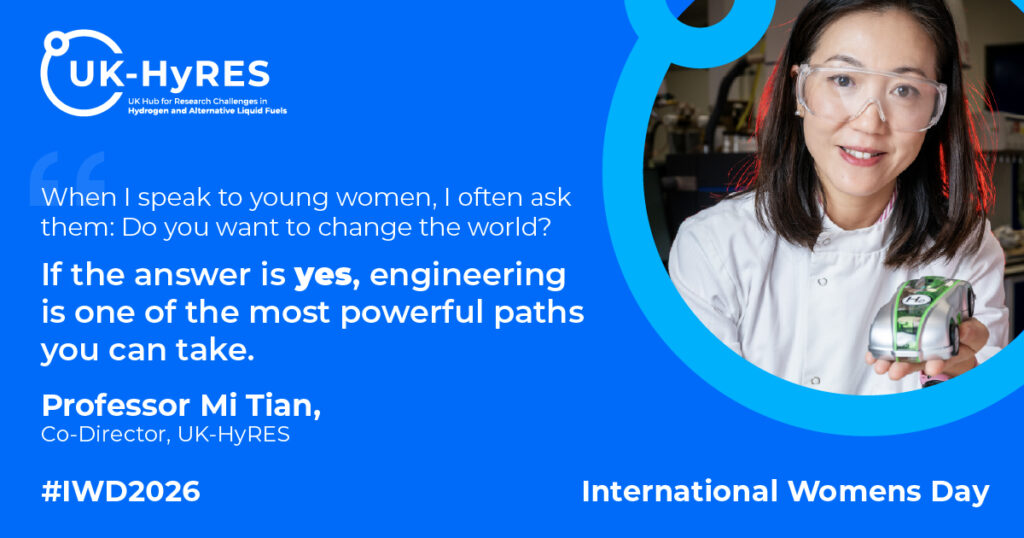
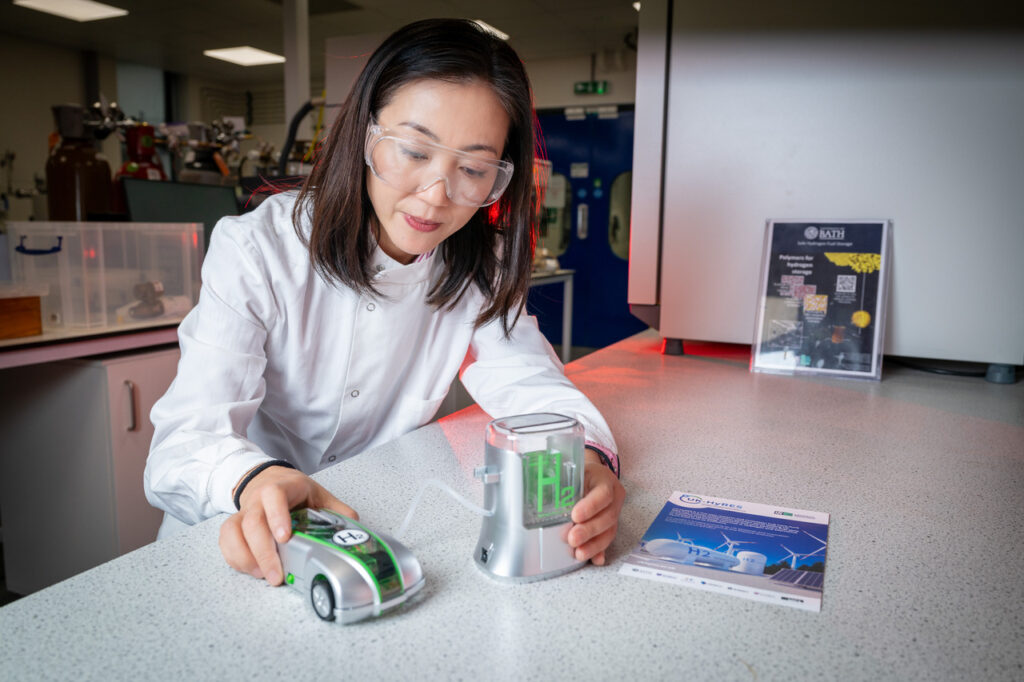
On International Women’s Day, Professor Mi Tian, Professor of Sustainable Hydrogen Energy at the University of Bath and Co-Director of UK-HyRES, gives her reflections on her career as a woman in engineering and what needs to be done to encourage and support more women into STEM.
Science has always been driven by curiosity for me. When I first started studying chemistry, I was fascinated by how it revealed the invisible world, how molecules and atoms form the matter around us. It felt like discovering a hidden layer of reality, and that curiosity quickly became a passion.
Later, my interest moved towards energy systems, particularly hydrogen energy. Growing up, my community sometimes had limited access to electricity and experienced power cuts. Those moments made me realise just how essential energy is to modern life. It shapes everything, how we live, work and develop as a society.
That experience stayed with me and ultimately guided my decision to focus my career on energy systems. I wanted not only to understand the science, but also to help solve real-world problems. My work in hydrogen energy is driven by both that early curiosity and a desire to contribute to solutions that matter.
The power of mentorship
Throughout my career, I’ve been incredibly fortunate to be supported and inspired by many female scientists and professionals. Mentorship has played a crucial role in my journey. These role models showed me what was possible and helped me navigate the challenges of academia and engineering.
Some of these women I remember clearly, others I met only briefly but still left a lasting impact. They shared their experiences, encouragement and support at key moments in my career. I often felt I had no way to repay them at the time, but I eventually realised that the best way to honour their support is to pass it on.
Now, I try to do the same for the younger generation, sharing that encouragement, energy and belief that they too can succeed.
Finding your voice in engineering
I describe myself as an engineer rather than a scientist. I trained in chemical engineering, which is a field where women are still significantly underrepresented. In the UK, women make up only around 16–17% of the engineering workforce.
Like many women in STEM, I’ve experienced moments where I had to work harder to have my voice heard, to convince others, or to be recognised for my ideas. Even in classrooms, female lecturers can sometimes find themselves needing to put in extra effort to persuade or engage students in male-dominated environments.
Confidence can also be a challenge. Studies often show that women are more likely to question themselves or hesitate before taking opportunities. I recognised this early in my career and made a conscious effort to challenge it.
Sometimes I still ask myself, “Am I ready? Am I good enough?” But when those doubts appear, I try to push past them and take the opportunity anyway. I remind myself: what’s the worst that could happen? Sometimes things go well, sometimes they don’t, but every time I step outside my comfort zone, I gain confidence and resilience.
One message I always share, especially on International Women’s Day, is simple: don’t wait until you feel ready.
What leadership means to me
For me, leadership isn’t about individual success. A good leader enables others to succeed.
That means creating an environment where people feel supported, included and valued, a place where they feel confident sharing their ideas. I’ve learned that simply giving everyone the same opportunity isn’t always enough. Often, women or minority voices may hesitate to speak up in open discussions.
Sometimes leadership means actively inviting those voices into the conversation, asking directly, “What do you think?” or “Do you have any suggestions?” When you do that, you often discover some of the best ideas in the room.
Progress and work still to do
Over the course of my career, I’ve seen encouraging progress for women in engineering, especially in the UK. More women are entering STEM fields, becoming chartered engineers and pursuing postgraduate research.
Through my involvement with equality, diversity and inclusion committees, I’ve seen the numbers slowly improving. Even a few percentage points increase in female undergraduate students can make a big difference for the future engineering workforce.
We’re also seeing more female leaders emerging, which is incredibly important. Representation matters: when young women see others succeeding in leadership roles, it shows them what is possible.
But we still have work to do. The baseline number of women in senior positions remains relatively low. Progress is happening, but it must continue.
Engineering can change the world
When I speak to young women considering engineering, I often ask them one question: Do you want to change the world?
If the answer is yes, engineering is one of the most powerful paths you can take. Technology and engineering have the potential to solve many of the challenges we face today, from climate change to energy security.
Right now, my research focuses on hydrogen energy, particularly hydrogen storage and transportation. We are approaching a tipping point where hydrogen could significantly reshape the global energy landscape.
It’s both exciting and daunting. Moving technologies from research into real-world deployment requires new skills, scaling systems, working with industry and bringing innovations to market. As researchers and engineers, this is something we are still learning, but it’s an incredibly exciting journey.
Why International Women’s Day matters
International Women’s Day is both a celebration and a reflection.
It celebrates the achievements of women, recognising the contributions they have made across science, engineering and many other fields. At the same time, it encourages us to reflect on the progress still needed.
My hope for the future is simple: that gender will no longer be a barrier to opportunity in science and engineering.
That means seeing more women in leadership roles, stronger support systems for balancing careers and family life, and a culture where everyone can contribute and succeed regardless of gender.
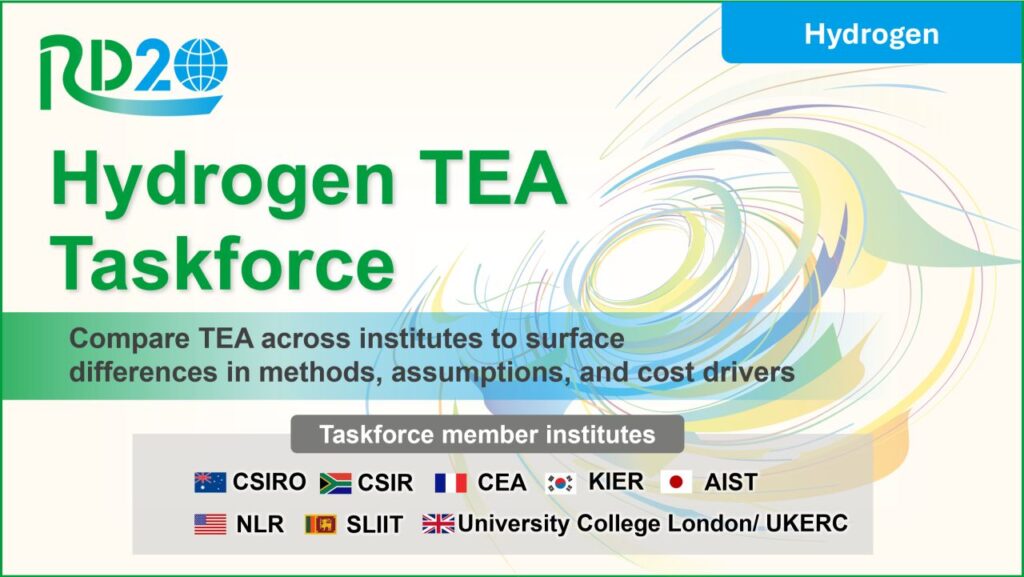
What explains the difference in hydrogen production costs when institutes use the same production case?
This question is at the heart of the RD20 Hydrogen Techno‑Economic Assessment (TEA) Taskforce, where Dr Sibimol Luke and Prof Paul Dodds, funded by UK‑HyRES, have contributed alongside leading research institutions across G20 countries and regions.
Hydrogen is a critical energy vector for achieving a net‑zero future. Yet even when institutions estimate hydrogen production costs using the same production case, results can still differ by around USD 4/kg. This variation highlights how differences in TEA methodologies and underlying assumptions can significantly influence cost outcomes.
The RD20 TEA Taskforce directly addresses this challenge. By evaluating hydrogen production costs under a common scenario, members are identifying where methodological divergences arise and which assumptions drive the largest cost gaps. Through this collaboration, we have developed links with the global hydrogen TEA community, and everyone has benefited greatly by understanding each other’s models.
Learn more about the initiative
The UK-HyRES Early Career Researcher (ECR) Annual Forum 2025 was held at University College London (UCL) on 1–2 December 2025, bringing together ECRs from the UK-HyRES core universities, associated hydrogen projects, and the newly funded Flexi Fund Projects. The two-day event provided a platform for technical exchange, cross-cutting discussions, career development, and interactive networking activities, all aimed at strengthening collaboration within the UK hydrogen research community.
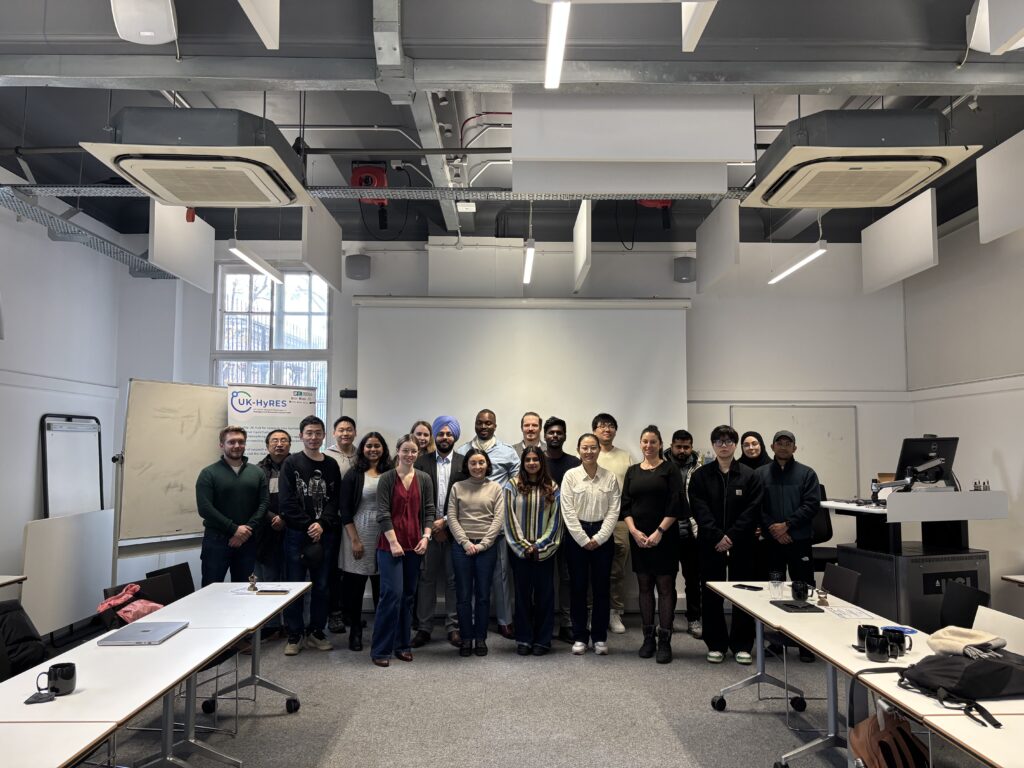
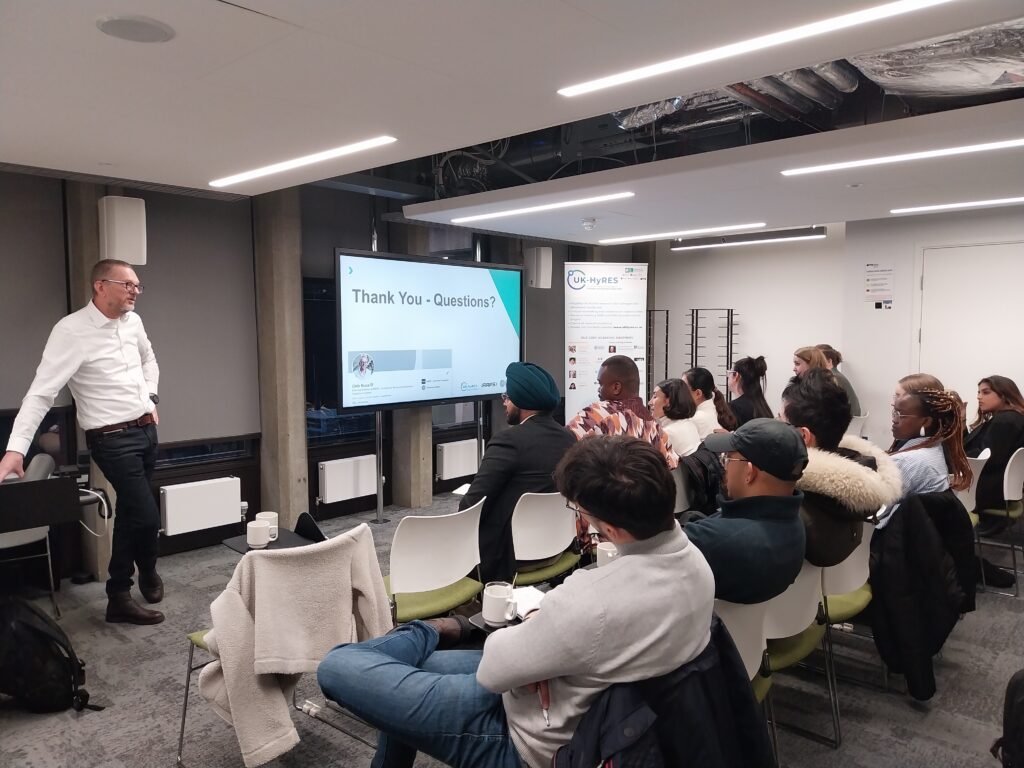
The forum began with reflections from Professor Tim Mays, Founding Director of UK-HyRES, and Professor Chris Brace, the current Director, both from the University of Bath. They shared insights into the origins, vision, and future ambitions of UK-HyRES. Dr Sibimol Luke, UCL, who currently chairs the ECR network, outlined its objectives and ongoing activities, coordinated the event overall, and led the forum.
The technical programme featured a series of expert talks addressing critical aspects of hydrogen research and its integration into industry. Professor Mojtaba Abdi Jalebi (UCL) delivered an informative presentation on strategies for scaling research into industrial applications. Professor Nilay Shah (Imperial College London) provided an engaging talk on the development and integration of E-fuels, illustrating progress through real-world test flights. Ms Polina Pencheva (UCL) examined hydrogen policy developments both in the UK and globally, highlighting evolving regulatory landscapes. Industry perspectives were shared by James McNaughton and Sachin Shaji Kumar from Hydrostar, who discussed innovative approaches to using wastewater in large-scale electrolyser systems and reflected on career pathways from academia to industry.
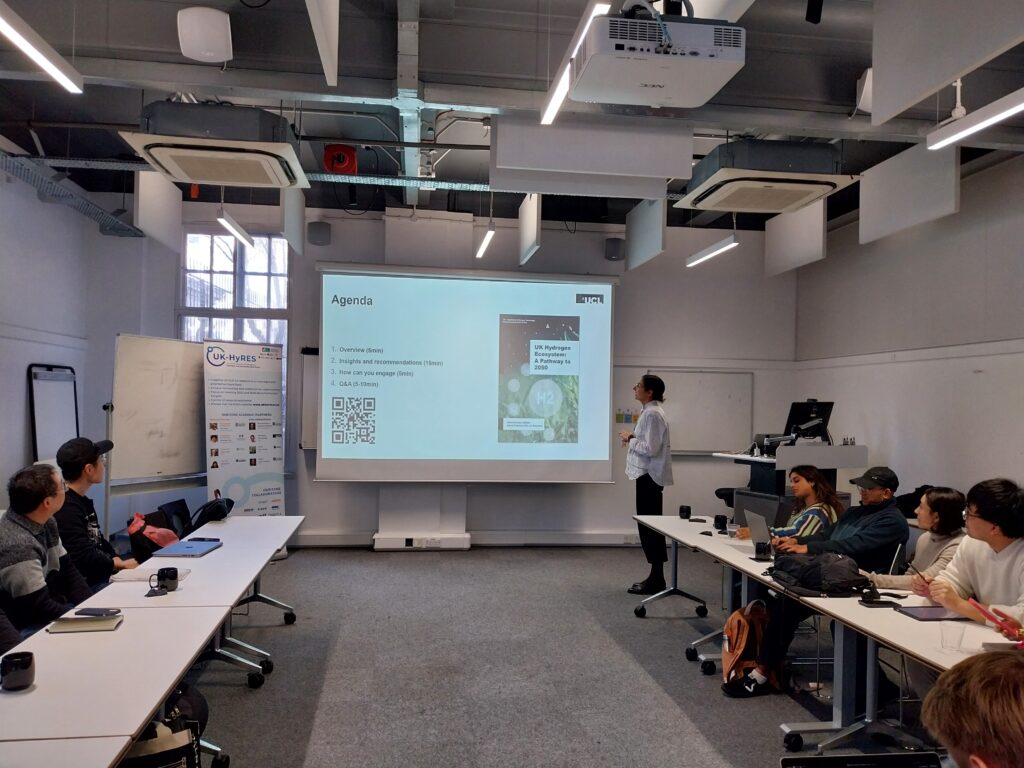
Career development formed a key component of the programme. Professor Paul Dodds (UCL) shared his academic journey and offered practical guidance on publishing research effectively. Karen Brooks (GW-Shift) facilitated an interactive workshop on crafting a compelling verbal business card, encouraging participants to articulate their research identity with clarity and confidence.
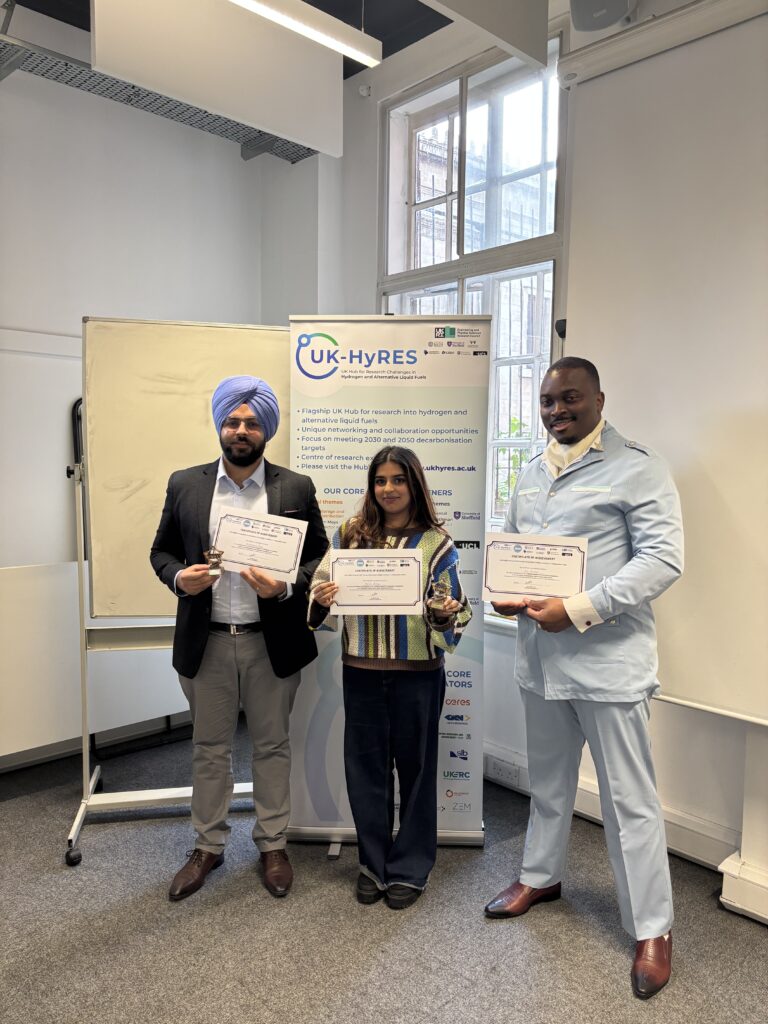
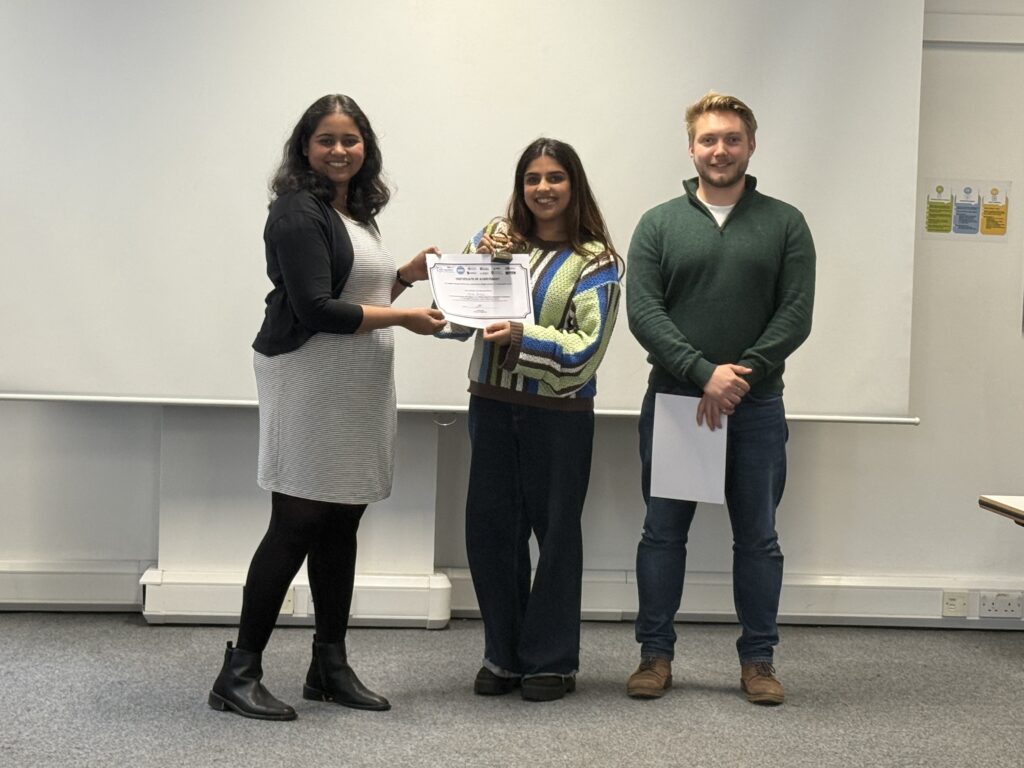
A highlight of the forum was the Three-Minute Research (3MR) competition, organised by Dr Alex Newman, Dr Chris Kim, and Dr George Neville. This activity challenged participants to present their research to a lay audience within three minutes, fostering communication skills and knowledge exchange. In the PhD category, Melisha Barboza (University of Warwick) secured first place, followed by Holly Smith (University of Bath) and Manikandan Chithravelu (University of St Andrews). In the postdoctoral category, Dr Harmanpreet Singh (University of Sheffield) won first place, while Dr Norton West (University of Manchester) and Dr Zelhia Ertekin (University of Glasgow) shared second place, and Dr Josh Kassongo (University of Sheffield) achieved third. The People’s Choice Award was presented to Dr Norton West.
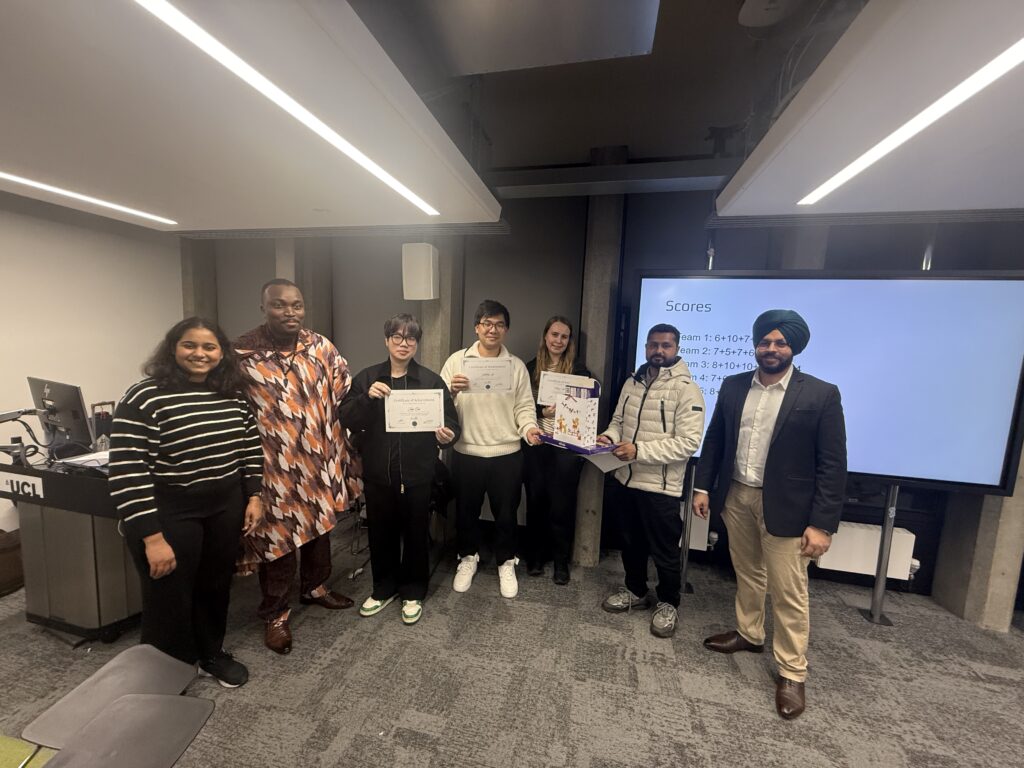
Networking activities were central to the forum’s success. An icebreaker session, organised by Dr Selda Ozkan and Dr Xiaoling Ma, paired new and existing ECRs to share their research interests and goals before introducing each other to the wider group. A hydrogen-themed quiz, coordinated by Dr Josh Kassongo and Dr Harmanpreet Singh, provided a fun and competitive team-building experience. The winning team comprised Dr Sandip Guin (University of Surrey), Dr Yuheng Liu (Imperial College London), Fiona McAllister (University of Surrey), and Jing Gui (University of Portsmouth).
The UK-HyRES ECR Annual Forum 2025 concluded with a strong sense of achievement, a time of reflection, feedback, and planning for future activities. It successfully advanced research dialogue, strengthened professional networks, and supported the development of early-career researchers across the UK hydrogen community. Its combination of expert talks, skills workshops, and collaborative activities made it a flagship event in the UK-HyRES calendar.
If you’ve been looking to collaborate with likeminded individuals, enhance your skills or develop your low-carbon or alternative liquid fuels research, the Early Careers Research Network is now open to new members. Find out more and apply here.
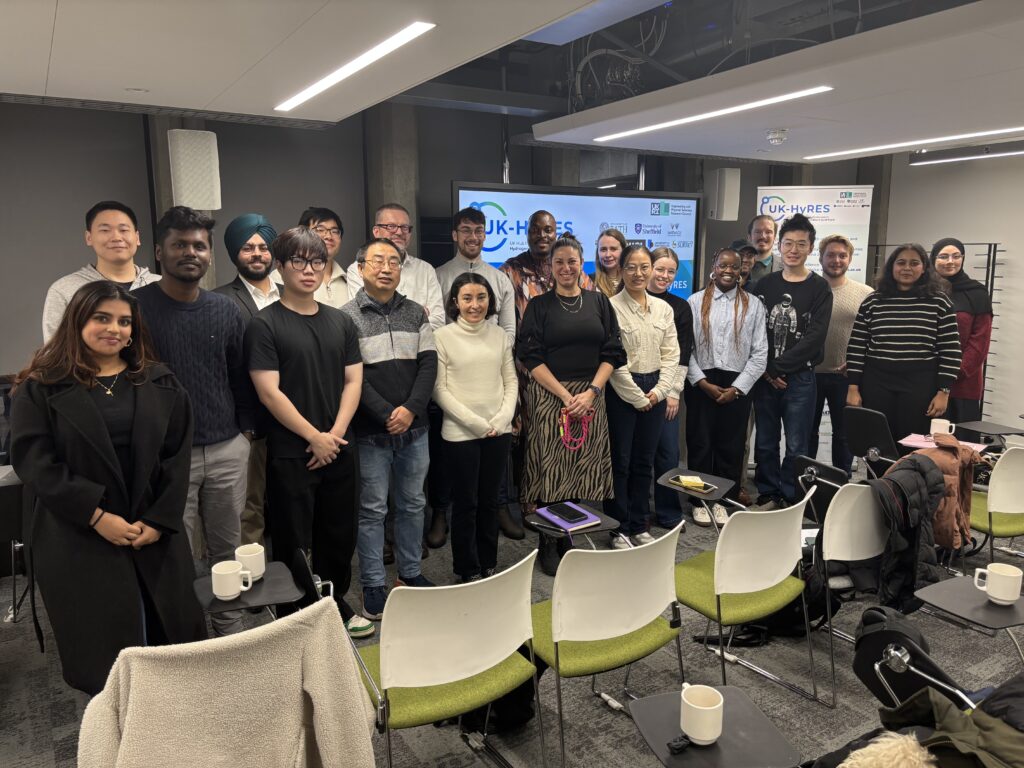
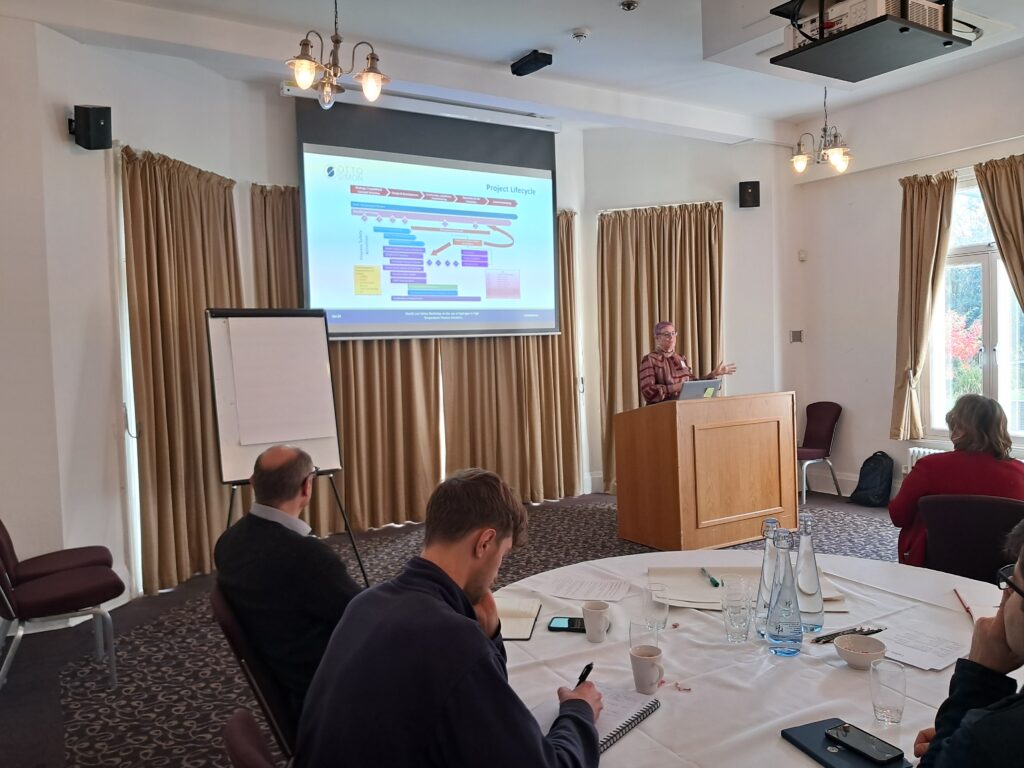
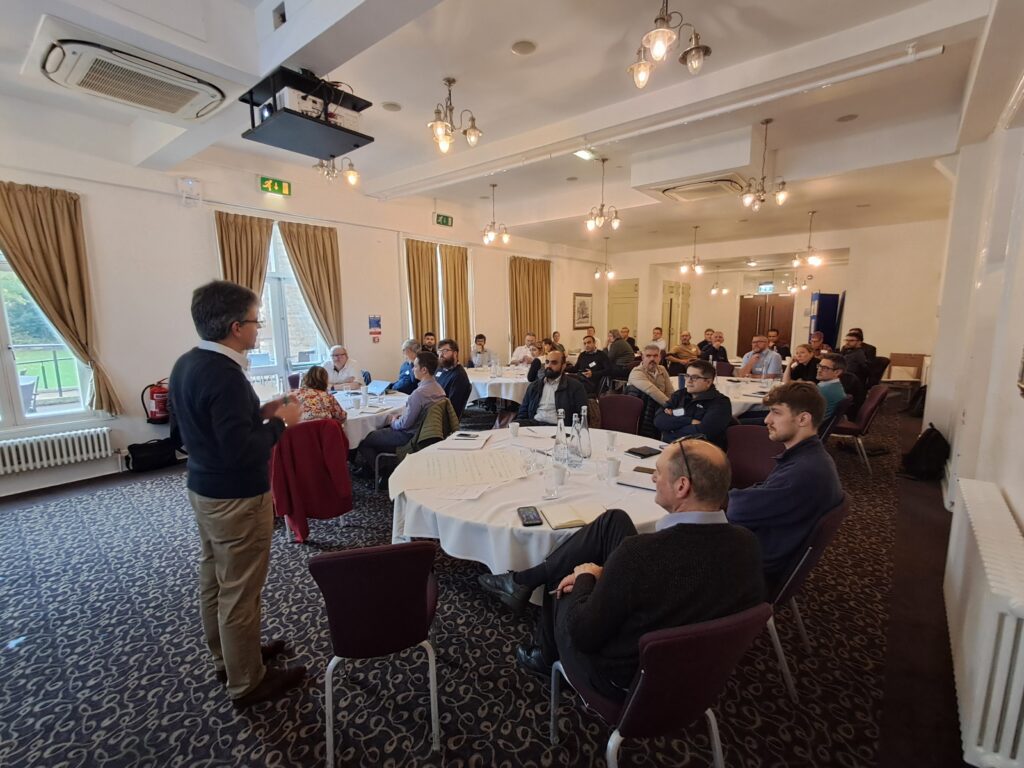
The Health and Safety Workshop on the use of Hydrogen in High Temperature Process Industries, held on 22nd October in Sheffield, was a great success.
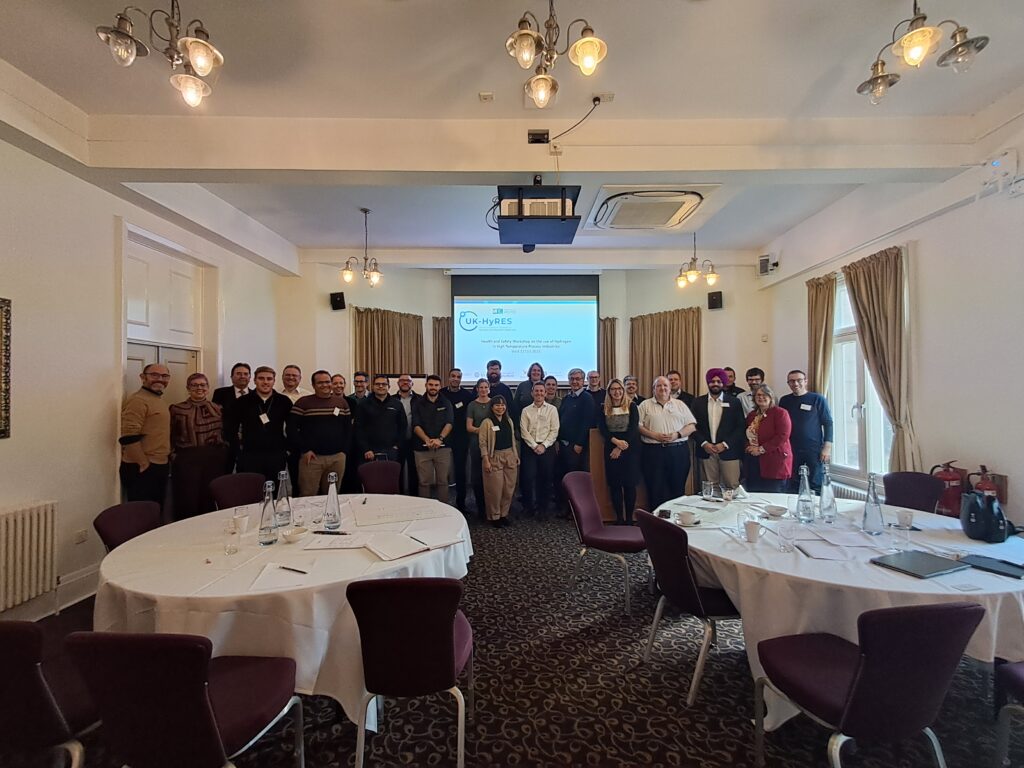
Dr. Neil Lowrie organised the event, including timely delegate registration, the event’s publication on LinkedIn and other platforms, logistics and the smooth running of the sessions. Joan proposed the idea of having a workshop with industrial partners to strengthen our industrial networks and communicate the aims of the UK-HyRES Hub with industrial stakeholders.
We brought together a fantastic group of process safety experts, practitioners, and leaders from the glass, metals, ceramics, and brick manufacturing industries.
Joan opened the event with a welcome address, followed by a brief overview of the UK-HyRES, its structure, hub members, researchers and the aims of each theme. Attendees enjoyed the following agenda:
- 10:00 Prof. Joan Cordiner, UK-HyRes: Welcome and introduction to the workshop
- 10:15 Kate Jeffrey, Health and Safety Executive: Hydrogen safety
- 10:30 Dr Harmanpreet Singh, UK-HyRES: Gaps in health and safety identified in the literature
- 10:45 Break into round table discussion groups: From your or your customer’s perspective, what are the gaps in the existing standards?
- 11:15 Feedback to the room
- 11:30 Break into round table discussion groups: What hydrogen projects are you (or your customers) currently working on, and what H&S challenges have you encountered?
- 12:00 Feedback to the room
- 12:15 Lunch & networking
- 13:00 Clare Dunkerley, Otto Simon: Risk-based approach to the design and build of hydrogen infrastructure
- 13:15 Break into round table discussion groups: What technological knowledge gaps (related to health and safety) does your (or your customer’s) industry face?
- 13:45 Feedback to the room
- 14:00 Break into round table discussion groups: Based on past experience, what are the key things that companies considering the use of hydrogen should know, or avoid doing? e.g useful standards, sources of information, lessons learned
- 14:30 Feedback to the room
- 14:45 Final thoughts and close
The energy and collaboration in the room were outstanding. Together, we:
- Captured real-world H&S challenges from active hydrogen projects.
- Identified key priorities to shape the future research agenda.
- Strengthened the hydrogen safety network by connecting specialists with end-users.
- Shared our vision to provide them and the greater community a vital resource, the “Hydrogen Safety Toolkit”, to accelerate the safe deployment of hydrogen.
A huge thanks to all our delegates for their active participation and invaluable insights. The discussions have provided a clear path forward for supporting the industry’s transition to hydrogen. The event was closed with a token of thanks to all the participants for their time and effort in making this event successful.
Funded by the West of England Mayoral Combined Authority (WEMCA) and UK Research Partnership Infrastructure Funding (UKRPIF), IAAPS has completed the installation of the UK-HyRES lab space connected to an on-site green hydrogen electrolyser facility at IAAPS, University of Bath, on the Bristol & Bath Science Park.
Adding to IAAPS’s extensive hydrogen testing capabilities, the new, soon-to-be fully operational facility, known as the UK-HyRES Research and Innovation Laboratory, will focus specifically on flexibility and smaller-scale, experimental hydrogen research.
The electrolyser facility produces up to 10 kg of hydrogen per hour and feeds into four specialist test environments, designed for hydrogen combustion and fuel cell research. Each research space is equipped with advanced hydrogen detection and ventilation systems to ensure maximum safety and flexibility.
Closing the gap between research and application
One of the major barriers to hydrogen innovation is access. Hydrogen research is costly and highly regulated due to stringent safety requirements. By centralising high-spec facilities at IAAPS, UK-HyRES opens the doors for more researchers and industrial partners to explore and scale hydrogen technologies safely.
Sam Akehurst, IAAPS Research Director working with Bath’s UK-HyRES project team, says: “We’re providing a space where researchers can safely test and scale up hydrogen technologies, from small-scale experiments to full propulsion systems. This approach bridges the gap between academic and industrial research, covering Technology Readiness Levels 1 to 9, enabling projects to move from lab-based discovery to industrial demonstration in a single location.
Looking ahead: cryogenics and liquid hydrogen
In addition to its hydrogen combustion and fuel cell capabilities, the UK-HyRES Lab is also advancing into cryogenic hydrogen research. The lab already has a cryogenic helium system operating at 20 K (–253 °C), supporting superconductivity research, a technology area of growing interest for the aviation sector.
Planning permission has also been granted to extend the facility to handle liquid hydrogen, paving the way for future developments in next-generation propulsion systems.
For more information about the facility, please contact Sam Akehurst or Chris Brace
The UK-HyRES All Hands Meeting, held in Sheffield on 25 – 26 September 2025, brought together academics, researchers and PhD students from across the Hub. The two-day event provided an opportunity to celebrate achievements from the past 2.5 years, reflect on progress, and discuss strategic directions for the next phase of research and collaboration to tackle the research challenges blocking the wider use of hydrogen and alternative liquid fuels in the necessary transition from fossil fuels. It allowed technical researchers time to reflect on the impact of their work through the lens of cross-cutting themes such as environmental impacts, safety, economics and social considerations. This provided a wide backdrop to ensure that the Hub’s research remains relevant and impactful.
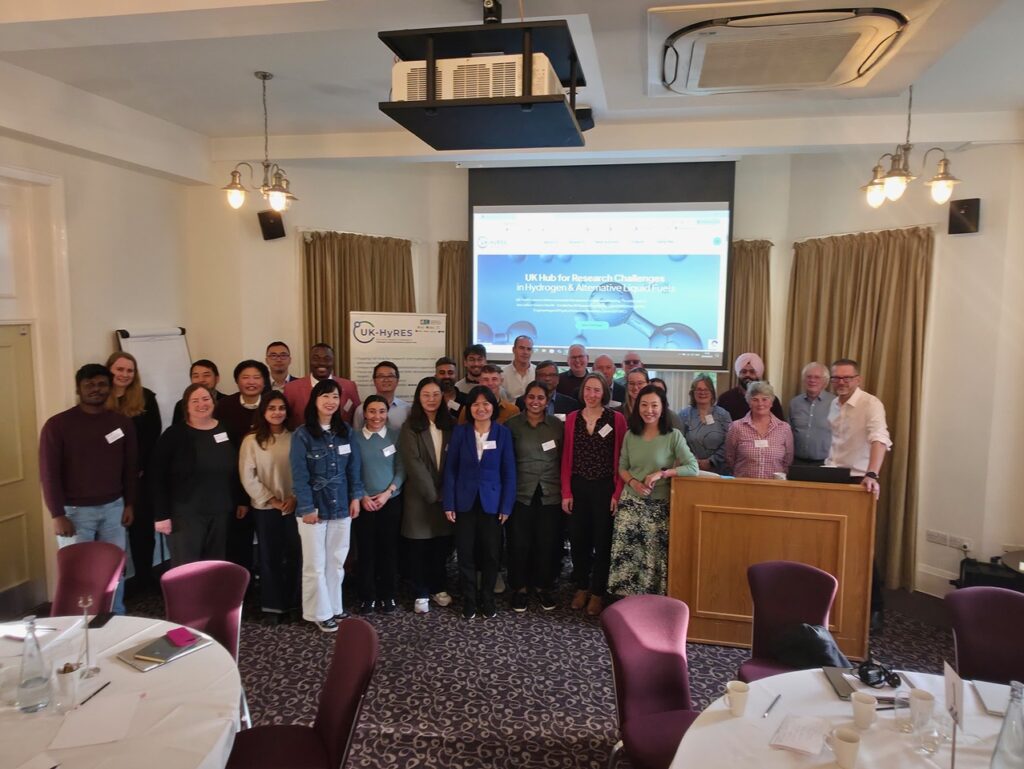
Day 1: Advancing Hydrogen Innovation Across Themes
The first day focused on theme-based discussions spanning hydrogen production, storage & distribution, end use, and alternative liquid fuels, social and environmental impacts, the economics of alternative fuels and safety.
Identified challenges needing focus included:
- The need for clear reporting and management frameworks, and stronger supply-chain resilience, particularly in UK-based materials and manufacturing.
- Ongoing system testing challenges and the development of catalysts and fuels such as methanol, ammonia, and urea.
- A shared emphasis on early life cycle assessment and addressing environmental and ethical considerations, including forever chemicals, mining impacts, leakage, and water use.
- Integrating safety considerations at low technology readiness levels (TRLs) to prevent costly retrofit in later stages.
Economic analysis and public engagement were identified as key enablers to the wider use of hydrogen as an alternative fuel, with emphasis on techno-economic assessments, scaling from kW to MW systems, and transparent communication with stakeholders.
Safety discussions focused on scaling risks, regulatory barriers, catalyst hazards, and ammonia toxicity, while social and policy discussions examined public perception, insurance, education, and the importance of demonstration projects to build trust in hydrogen technologies.
Day 2: Exploring Pink Hydrogen and Nuclear Integration
The second day turned to “pink” or nuclear enabled hydrogen. The Hub’s researchers were joined by the UK National Nuclear Laboratory. Delegates discussed how existing plans for future nuclear deployment could be leveraged to accelerate hydrogen production, as well as potential technology coupling and the need to make a clear safety case, noting that small modular reactor (SMR) deployment is likely to occur in the 2030s.
Discussions also considered availability of fresh water as most nuclear plants were based near the sea so utilising desalinated water for hydrogen production would be needed unless brown water could be utilised.
Plans were mapped out for a focused technical workshop in the new year, bringing people from multiple disciplines and stakeholder communities together, with details of the workshop and save the dates to be issued in the near future.
Translational Research and Policy Impact
In the closing session, participants focused on translating research into real-world applications and influencing policy.
Key opportunities included:
- Catalyst discovery, ammonia cracking, NOx removal, and the development of demonstrator sites.
- Strengthening industrial partnerships.
- Advocating for consistent funding models across technology readiness levels (TRLs).
For policy engagement, delegates emphasised the importance of clear roadmaps, impact metrics (jobs, economics), white papers, and training materials, along with the need to coordinate engagement with key influencers, including MPs, Chief Scientific Advisers, and regulatory bodies.
Looking Ahead
The 2025 UK-HyRES All Hands Meeting underscored the Hub’s growing role as a national catalyst for wider use of hydrogen as an alternative energy vector, uniting diverse expertise to address technical, economic, environmental and societal challenges. As UK-HyRES moves into its next phase, participants left Sheffield with reinforced understanding of the focus for the second half of the Hub’s work in meeting the challenges to allow for greater use of alternative fuels to achieve our Net Zero targets. The Hub is ready to translate research into impact, strengthen industrial partnerships, and inform policy for an economically viable, socially acceptable and sustainable hydrogen future.
The visit was a chance to highlight the University’s hydrogen, aviation, and pharmacy research and education.
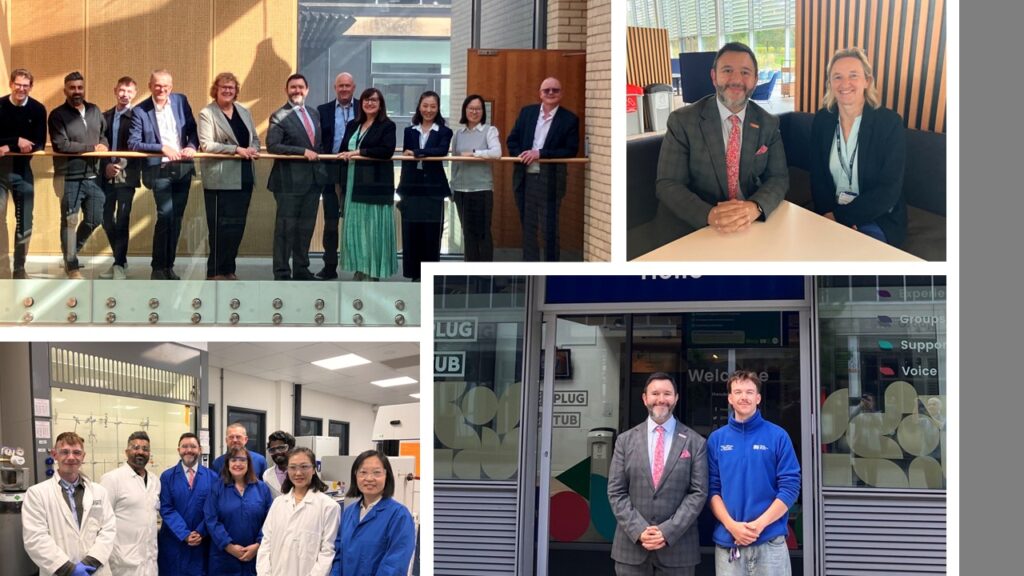
Bath graduate and North Somerset MP Sadik Al-Hassan returned to the University on Friday, 12 September, to explore cutting-edge research in hydrogen and aviation, and to reconnect with the pharmacy education that shaped his career before Parliament.
During his visit, Sadik took part in a roundtable discussion hosted by Pro-Vice-Chancellor (Research and Enterprise) Professor Sarah Hainsworth, focused on the growing importance of hydrogen innovation.
He heard from researchers leading major programmes including UK-HyRES, GW-SHIFT, ZENITH and HyFIVE – all contributing to the UK’s transition to sustainable energy and the University’s hydrogen work both on-campus and at IAAPS.
For more than two decades, the University has been at the forefront of hydrogen research, led by Emeritus Professor Tim Mays. Bath’s expertise spans renewable hydrogen production, solid-state storage, safety protocols, and hydrogen applications in transport, including in aviation.
Building on his previous visit to IAAPS in June, Sadik’s continued interest in hydrogen’s role in decarbonising aviation reflects his advocacy in Parliament for sustainable technologies that can help sectors decarbonise whilst also boosting economic growth.
Following the roundtable – which included contributions from Chris Bowen, Chris Brace, Karen Brooks, Mi Tian, Rajan Jagpal, George Neville, Sam Akehurst, Xiaoze Pei and Andy Rhead – Sadik toured the University’s new hydrogen lab in 9 West.
Commenting on the visit, Sadik said: “My recent visit to the University of Bath provided fascinating insights into their cutting-edge hydrogen fuel research and the significant progress being made toward making hydrogen a commercial reality.
“The roundtable discussion with Professor Sarah Hainsworth and team highlighted how this research is addressing the critical technical challenges in scaling hydrogen fuel systems. It’s exciting to see such innovative work that could accelerate the transition to sustainable energy solutions. The laboratory tour showcased impressive developments in hydrogen production and storage technologies that are genuinely pushing the boundaries of what’s possible in clean energy.
“As hydrogen technologies rapidly evolve, it’s essential that we align our educational programs to prepare professionals with the specialised skills needed for this emerging sector – from safety protocols to processes in hydrogen fuel production.
“The visit reinforced the importance of collaboration between academia and industry in making hydrogen fuels and hydrogen in aviation a practical reality. The University of Bath is clearly at the forefront of this transformation, and I look forward to continued partnership opportunities.”
As a former pharmacy student and subsequently having worked as a pharmacist, Sadik also met Professor Lyn Hanning to learn about recent developments in pharmacy education and innovations at Bath.
Since September 2025, Bath’s MPharm (Hons) Pharmacy course has been delivered at Plymouth, expanding access to pharmacy training in the region and helping to address the national shortage of pharmacists.
Sadik added: “My conversation with Lyn Hanning and the pharmacy team was particularly valuable in discussing workforce development and curriculum planning.”
Professor Sarah Hainsworth said: “It was great to welcome Sadik back to campus to introduce him to our hydrogen, aviation and pharmacy experts and to brief him on a range of current projects which are helping to deliver real impacts in response to pressing environmental and healthcare challenges.
“Across our sustainability, health and digital portfolios, the University of Bath has real strengths in both research and skills delivery. We’re committed to championing this nationally and look forward to working with Sadik and other regional MPs to amplify the important contributions being made here at Bath.”
During his time on campus, Sadik also visited the Students’ Union, where he was welcomed by newly elected SU President Benji Thompson.
On 18th August, Bath Liberal Democrat MP, Wera Hobhouse, visited the research and development Centre at ZeroAvia, based at Cotswold Airport in Kemble, in the neighbouring county of Gloucestershire.
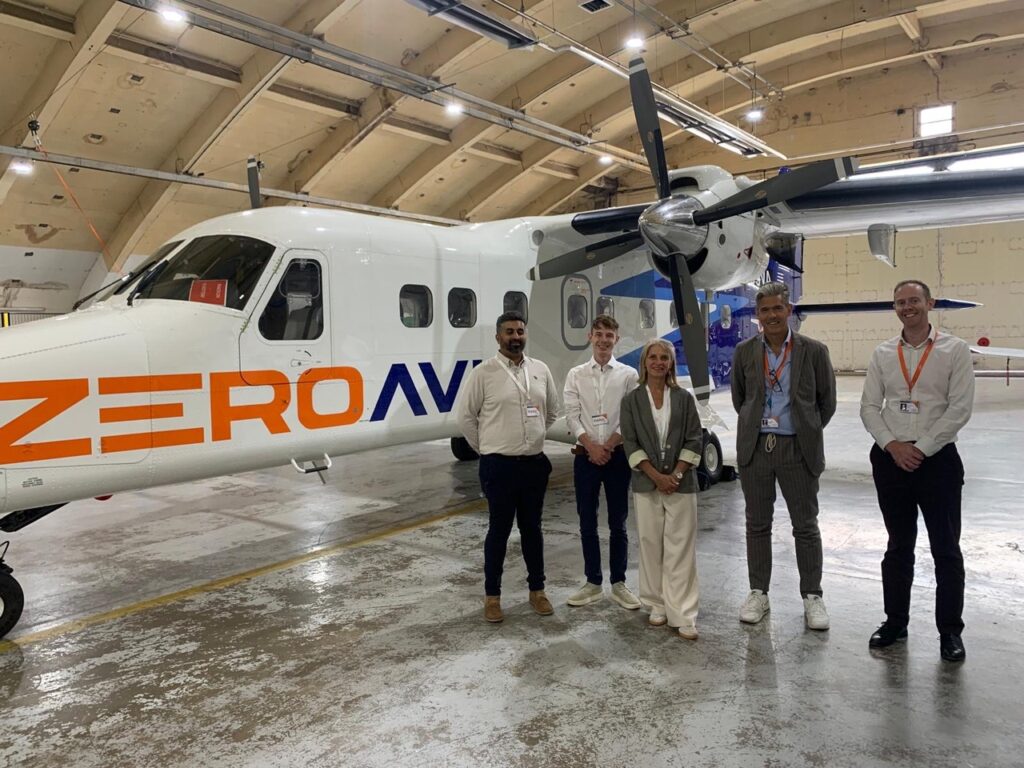
Part of the Hydrogen in Aviation (HIA) Alliance, ZeroAvia is developing full hydrogen-electric engines for existing commercial aircraft as well as supplying hydrogen and electric propulsion component technologies for novel battery, hybrid and hydrogen-electric air transport applications.
Initially targeting a 300-mile range in 10-20 seat electric aircraft by the end of 2026, their vision is to see 700-mile range 40-80 seaters in the air by 2028.
Aviation makes up around 7% of the UK’s total CO2 emissions – the primary driver of climate change. And according to one study, once you take into account its effect on the concentration of other atmospheric gases and pollutants like ozone, methane, soot and sulphur aerosols, its contribution to global warming to date is around 4%.
Against this background, companies and research institutes are exploring cleaner, greener alternatives. ZeroAvia is focused on hydrogen-electric propulsion technologies, considering them the most practical, economical, and furthest-reaching solution to aviation’s climate and clean air impacts.
ZeroAvia has already performed several world-first breakthrough flight demonstrations of its so-called powertrain technology from the Cotswold Airport base.
As they toured around the research and development centre, ZeroAvia’s Managing Director, Gabriele Teofili, told Wera:
“Hydrogen-electric engines can reduce aviation’s climate impact in excess of 90%. The lower cost of hydrogen over time and the lower maintenance costs of our electrified powertrains will improve the economics of aviation, enhancing connectivity as more routes become economically viable.”
There is clearly confidence in the tech from heavyweight investors. Having raised over $250m from investors like Airbus, Bill Gates’ Breakthrough Energy Ventures, Barclays Sustainable Impact Capital, British Airways, Amazon Climate Pledge, Alaska Airlines, United Airlines, and most recently, the UK Infrastructure Bank and the Scottish National Investment Bank, ZeroAvia now employ more than 200 people in Gloucestershire and London.
And with over 3,000 engine and component pre-orders from leading airlines and aircraft OEMs, including American, Alaska, United Airlines and UK launch operator RVL Aviation, hopes are high for the technology.
Academic research led by the University of Bath is also accelerating, in particular at the University’s wholly-owned commercial research facility at the Bristol & Bath Science Park, the IAAPS (the Institute for Advanced Automotive Propulsion Systems).
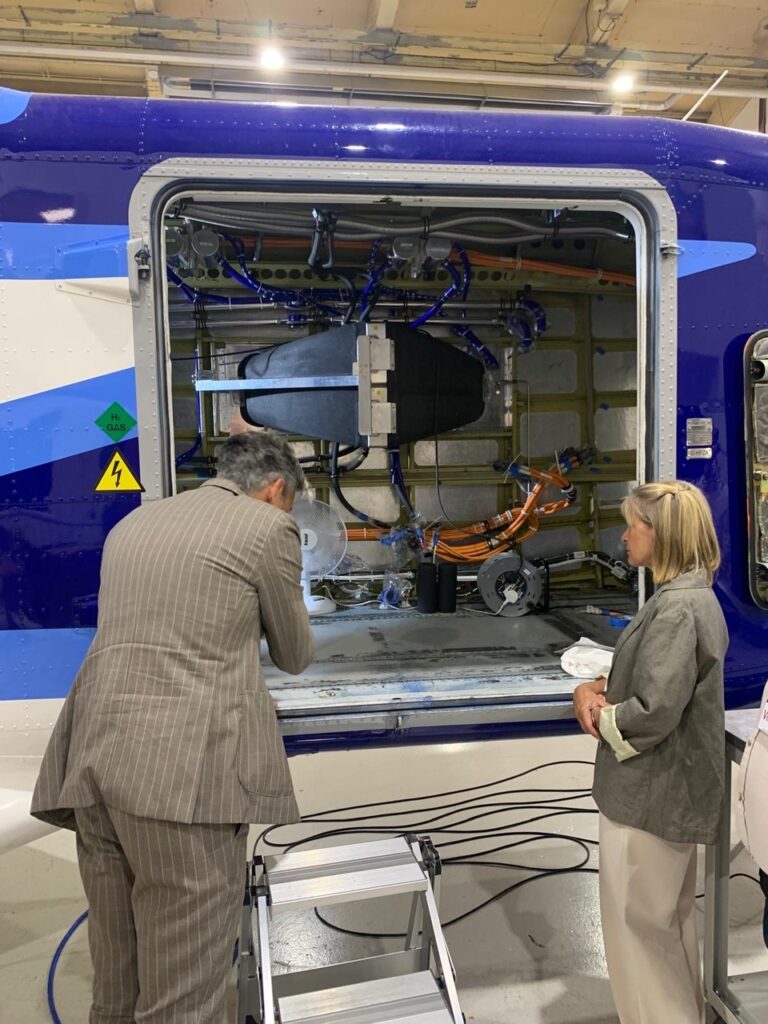
Hydrogen expert Tim Mays, Professor of Chemical and Materials Engineering and Director of the UK-HyRES national hydrogen research hub at the University of Bath, observed:
“Hydrogen fuelled propulsion is one of the few options to decarbonise aviation in the long term. This is reflected in engineering and design innovations being generated in the aerospace industry from ambitious and growing small to medium enterprises, such as ZeroAvia, to multi-international companies such as Airbus. Hydrogen is also of interest in decarbonising airports and as a component in making sustainable aviation fuel, the latter being an option to reduce carbon emissions from aircraft in the medium term.
“While challenges remain, such as producing enough low-carbon (or green) hydrogen to meet demand, and integration of hydrogen in complex aviation systems, the prospects and opportunities of this new technology are exciting and impactful.”
Wera Hobhouse, Liberal Democrat MP for Bath, commented:
“We have a responsibility to decarbonise aviation, and while we need to continue to deliver the benefits flying offers, we must ensure this is done in a sustainable way. Hydrogen is one of the keys to that ambition.
“The Government must collaborate with the aviation and hydrogen sectors, alongside research institutes like those operated by the University of Bath and others pioneering different alternatives such as Sustainable Aircraft Fuels.
“In my position on the Energy and Net Zero Select Committee in Parliament, I pledge to work to help create the conditions that will secure the UK’s place as a global leader in the field.
“Failing to act quickly and decisively to halt aviation’s deadly effects on our environment would be just “plane” stupid.”
In August 2025, End Use Theme Lead Professor Qiong Cai and Hub Researcher Dr Xiaoling Ma visited Dr Binjian Nie’s Energy Storage & Energy Carrier Group at the University of Oxford.
The tour introduced the key equipment and current research topics that the group have been using to work on thermal, chemical, and thermochemical energy storage methodologies to improve energy conversion and management.
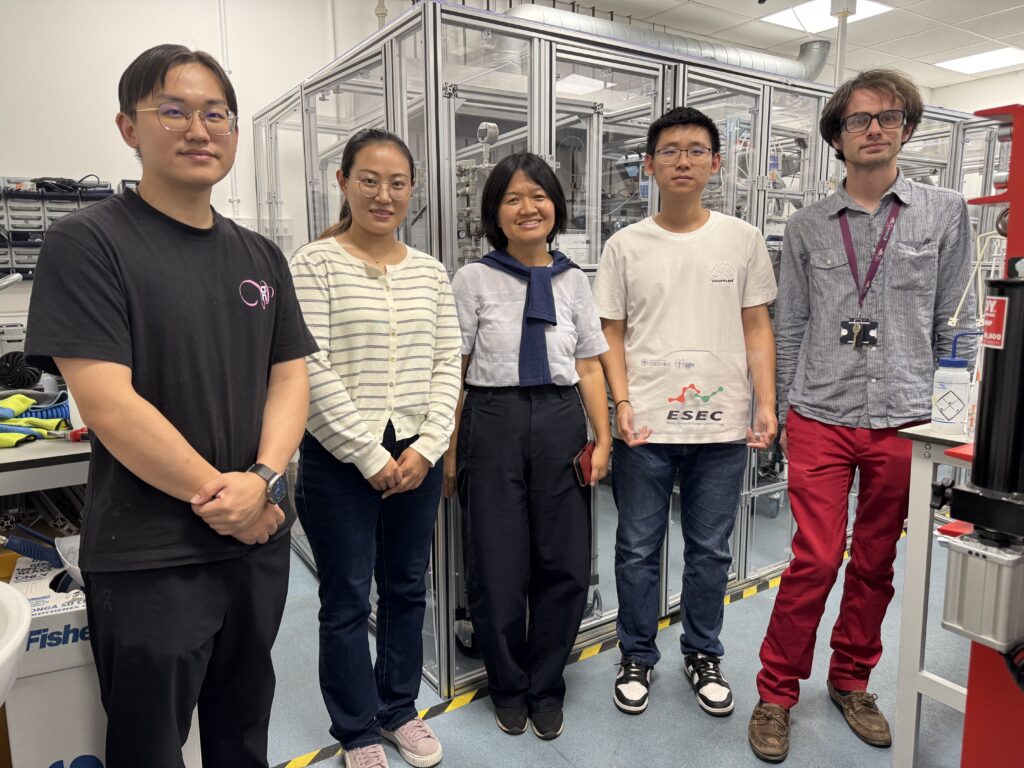
Professor Cai also outlined the University of Surrey’s End Use collaboration plan, part of their five-year core research project, which started on 1 June 2023 at the University of Surrey, to develop, design, and test durable and low-cost catalysts for converting the emission gases NH3 and NOx to nitrogen under various conditions.
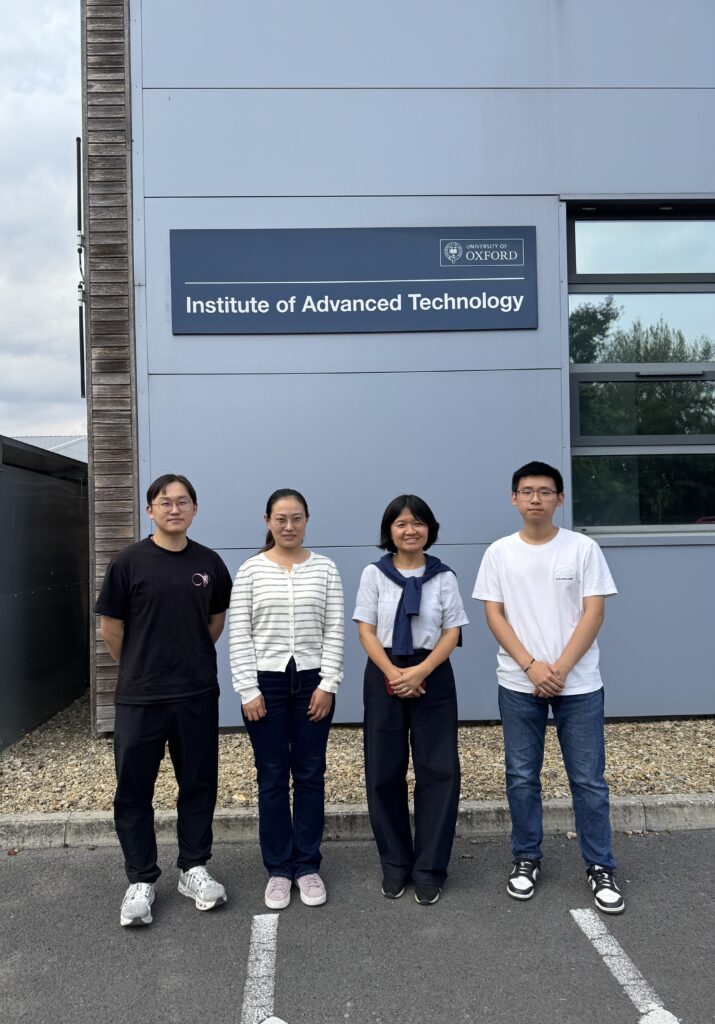
Following the visit, Xiaoling commented:
“We are grateful for the support from Dr. Binjian Nie, Hangzuo Guo, and Zirui Wang, and we hope this collaboration will help advance the HyRES project’s work on the end-of-use theme.”
We can’t wait to see what the teams discover and achieve!
We are excited to share pioneering work from Dr. Selda Özkan, under the guidance of Professor John Irvine CBE, Production Theme Lead for UK-HyRES at the University of St Andrews.
Published in 2024 in Advanced Energy Materials, a prime-applied journal that disseminates the best science from well-established and emerging researchers so they can fulfil their mission and maximise the reach of their scientific discoveries, their latest paper presents a novel electrocatalyst design that significantly reduces precious metal content without compromising performance
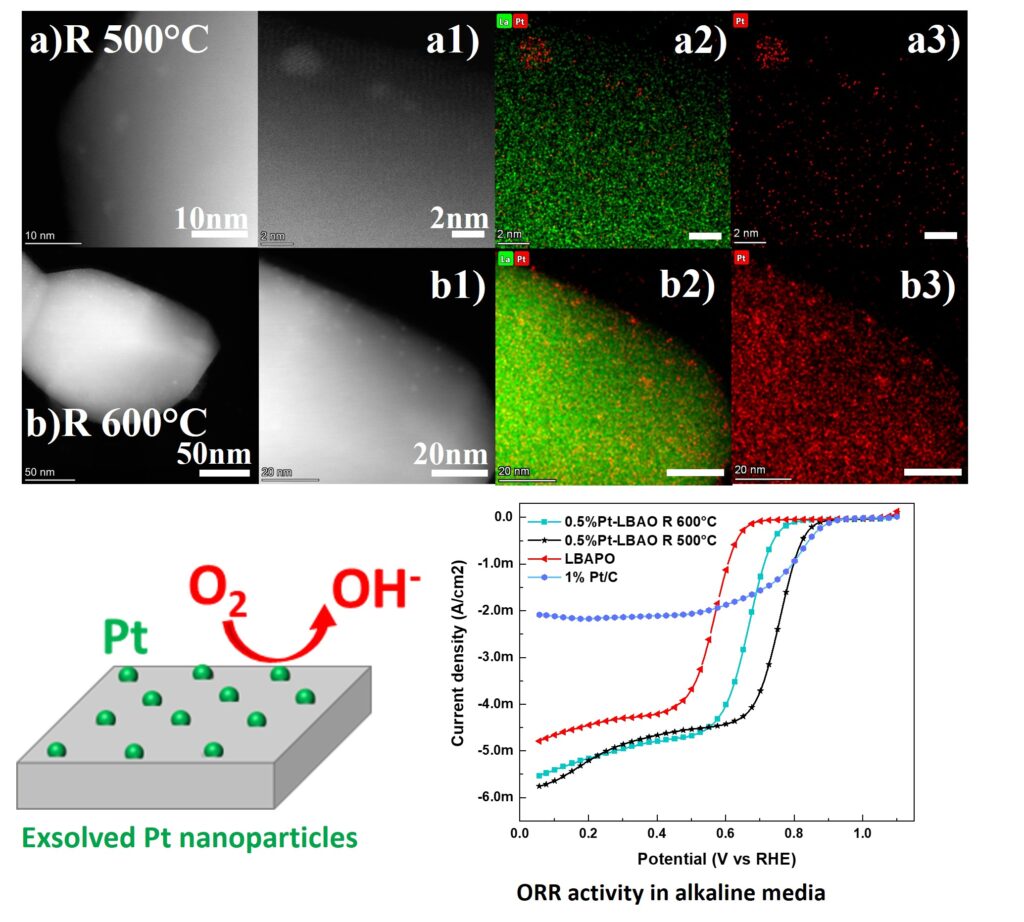
The research, titled “A New Approach to Fuel Cell Electrodes: Lanthanum Aluminate Yielding Fine Pt Nanoparticle Exsolution for Oxygen Reduction Reaction”, was co-written by Selda Özkan, Seo Jin Kim, David N. Miller, and John T. S. Irvine to tackle the challenge of reducing platinum loading while enhancing catalyst efficiency through improved nanoparticle dispersion.
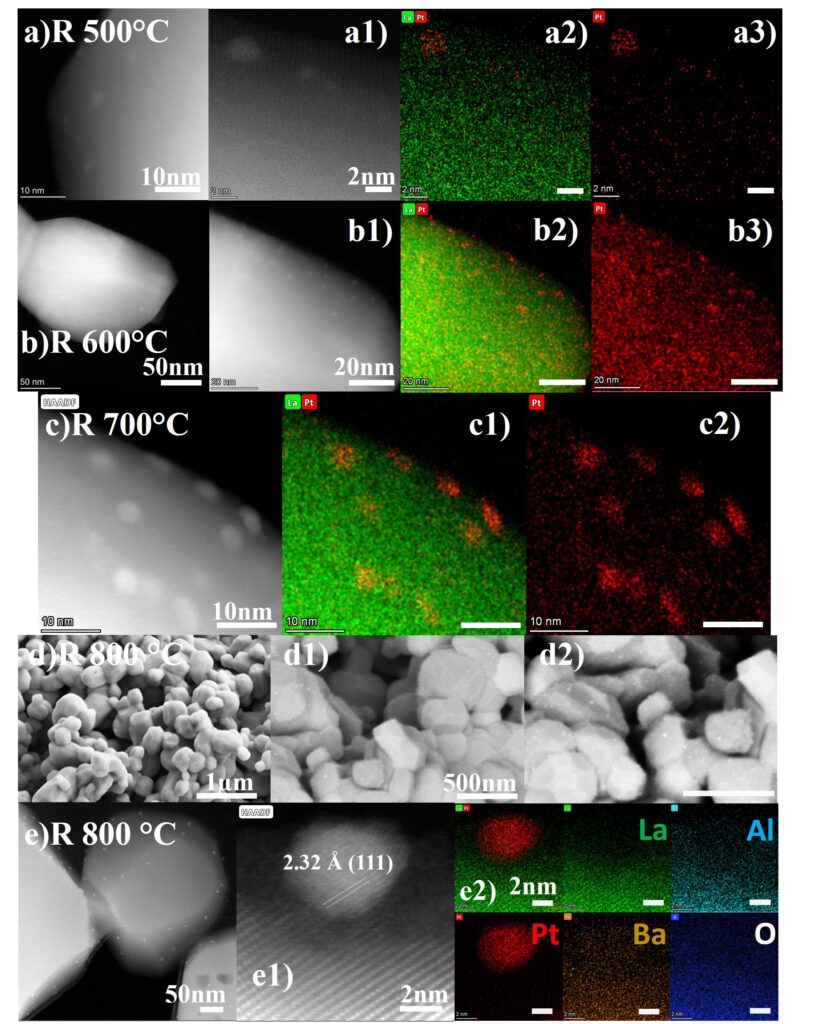
Using a low-temperature exsolution technique, the team achieved uniform dispersion of fine Pt nanoparticles (1–3 nm) on a 0.5% Pt-doped LaAlO₃ perovskite oxide. The resulting electrocatalyst demonstrates excellent activity and durability for the oxygen reduction reaction (ORR) in alkaline media.
This approach paves the way for high-performance, cost-effective hydrogen fuel cells and electrolysers with minimal precious metal use and demonstrates a key advancement towards sustainable hydrogen technologies.