
UK-HyRES is committed to supporting the next generation of researchers in the field of hydrogen research and energy systems. We have developed an Early Career Research (ECR) Network provides a platform for early-stage researchers, PhD students, and postdoctoral fellows to connect, collaborate, and advance their careers in this rapidly evolving sector.
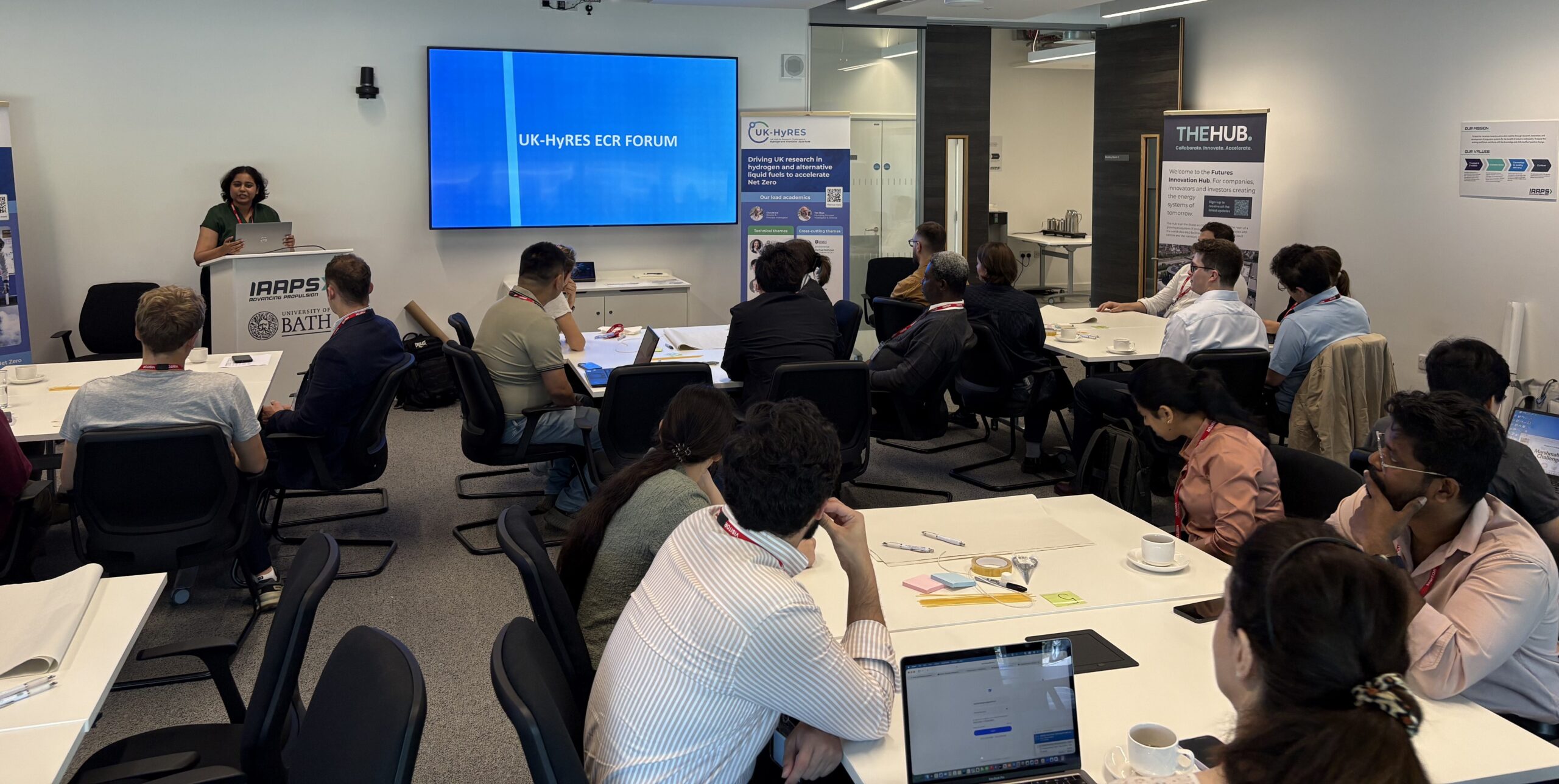
We recently sat down with the new Chair of Network, Dr Harmanpreet Singh from the University of Sheffield, to find out about his work and his vision for the Network going forwards.

Tell us a bit about your research and background?
I’m a Postdoctoral Research Associate in Hydrogen Energy at the University of Sheffield, working within the UK-HyRES hub, where I lead research on hydrogen safety across the value chain from production through to end use. My research background sits at the intersection of thermochemical hydrogen production, process systems modelling, and safety. During my earlier work at IIT Bombay, I designed and validated an oxysteam gasification reactor to produce bio-hydrogen and power from dry agricultural residues, supported by Aspen Plus process models for hydrogen enrichment. At Sheffield I’ve extended that systems-level approach to safety-by-design risk assessment for deploying hydrogen in high-temperature industrial processes such as glass and steel. I also work on techno-economic and life cycle assessment, so I tend to look at hydrogen pathways through both an engineering and a whole-system economic and environmental lens.
Why have decided to focus on the area of green hydrogen – what excites you about it?
What drew me in is that hydrogen sits right at the heart of the hardest part of the sectors we don’t yet know how to clean up with electrification alone, like heavy industry, high-temperature heat and long-distance transport. Coming from a background in converting agricultural residues into useful energy, I’ve always been motivated by turning something under-used or scraped into something valuable, and green hydrogen is that idea at national scale. What genuinely excites me is how interdisciplinary it is, as no single discipline solves it. You need chemistry, engineering, economics, safety, and policy all pulling together, and I find that kind of problem far more rewarding than working in a narrow domain. It’s also a field where the decisions being made now will define the energy system for decades.
Why were you motivated to become the ECR chair?
Early-career researchers are the people who will actually deliver the hydrogen transition over the coming decades, yet we often navigate the hardest, most uncertain stage of our careers with limited support and voice. Having moved between institutions and countries myself, I know how much difference a strong, welcoming network makes or how isolating it can be without one. I wanted to help build that for others. Being chosen for this role by my peers and the hub is a real privilege, and it’s a chance to build on the strong foundations laid by the previous chairs while making sure the ECR community is genuinely represented in how the hub develops. I care about the people coming up behind me, and this felt like a concrete way to do something about it
What are the key challenges face by ECRs in the hydrogen field at the moment?
Job security is the biggest one. Most of us move from one short fixed-term contract to the next, which makes it hard to plan a life, besides a research career. Beyond that, hydrogen is a fast-moving, highly interdisciplinary field, so ECRs are often expected to span engineering, economics, safety and policy without always having the training or time to do so. There’s also a real disconnect for many between academia and industry, when so much of the sector’s future is industrial. For those outside the core-funded institutions, access to funding, travel support and networks is uneven.
What are you hoping to achieve in your role as ECR chair?
My overarching aim is to leave the network stronger and more connected than I found it. Concretely, that means: making the network work just as well for our associate, affiliated and international members as it does for core members, so nobody is a second-tier participant. Turning our collective ECR voice into real influence by taking what researchers actually tell us about the barriers they face and feeding that into the hub, and where possible to funders, so it shapes decisions rather than sitting in a report. Creating opportunities that outlast any single event: durable collaborations, mentoring, and stronger links into industry. I’d measure success not by how many meetings we held, but by whether people’s careers and connections were genuinely better for being part of it.
Do you have some new initiatives in mind?
A few. I’d like to turn our national ECR survey into a concrete set of recommendations we can put to the hub and to funders, rather than just a summary of findings. I’m keen to design activities that don’t depend on travel budgets such as structured virtual collaboration, co-authorship matchmaking, shared resources. That our non-funded and international members can be genuinely active. I’d also like to build stronger, repeatable bridges to industry beyond one-off visits, and to connect our ECRs with those in the sister hydrogen hubs so everyone’s network widens. And I want to leave behind proper continuity so the network doesn’t reset each time the chair changes.
Can you share one piece of key advice or learning that has come out of your career so far that you would like to share with upcoming researchers?
Focus on the problem you’re solving, not just the papers you’re producing. It’s easy to measure a career in publication counts, but the work that has meant the most to me is the work connected to a real-world need. Keep asking who actually benefits if you get this right. That question will guide you to better problems, and it’ll keep you motivated on the hard days when the metrics alone won’t. And on those hard days, know that feeling like you don’t quite belong is far more common than anyone admits. Most researchers I respect have felt like an imposter at some point, usually right before they grew into something new. That feeling isn’t evidence you’re not good enough; more often it’s a sign you’re doing something that matters and stretching beyond what’s familiar. Don’t let it make you shrink or stay quiet. Talk to your peers, and you’ll quickly find you’re in very good company.
Find out more about the ECR Network: https://ukhyres.ac.uk/early-career-researchers/
UK-HyRES is committed to supporting the next generation of researchers in the field of hydrogen research and energy systems. We have developed an Early Career Research (ECR) Network provides a platform for early-stage researchers, PhD students, and postdoctoral fellows to connect, collaborate, and advance their careers in this rapidly evolving sector.
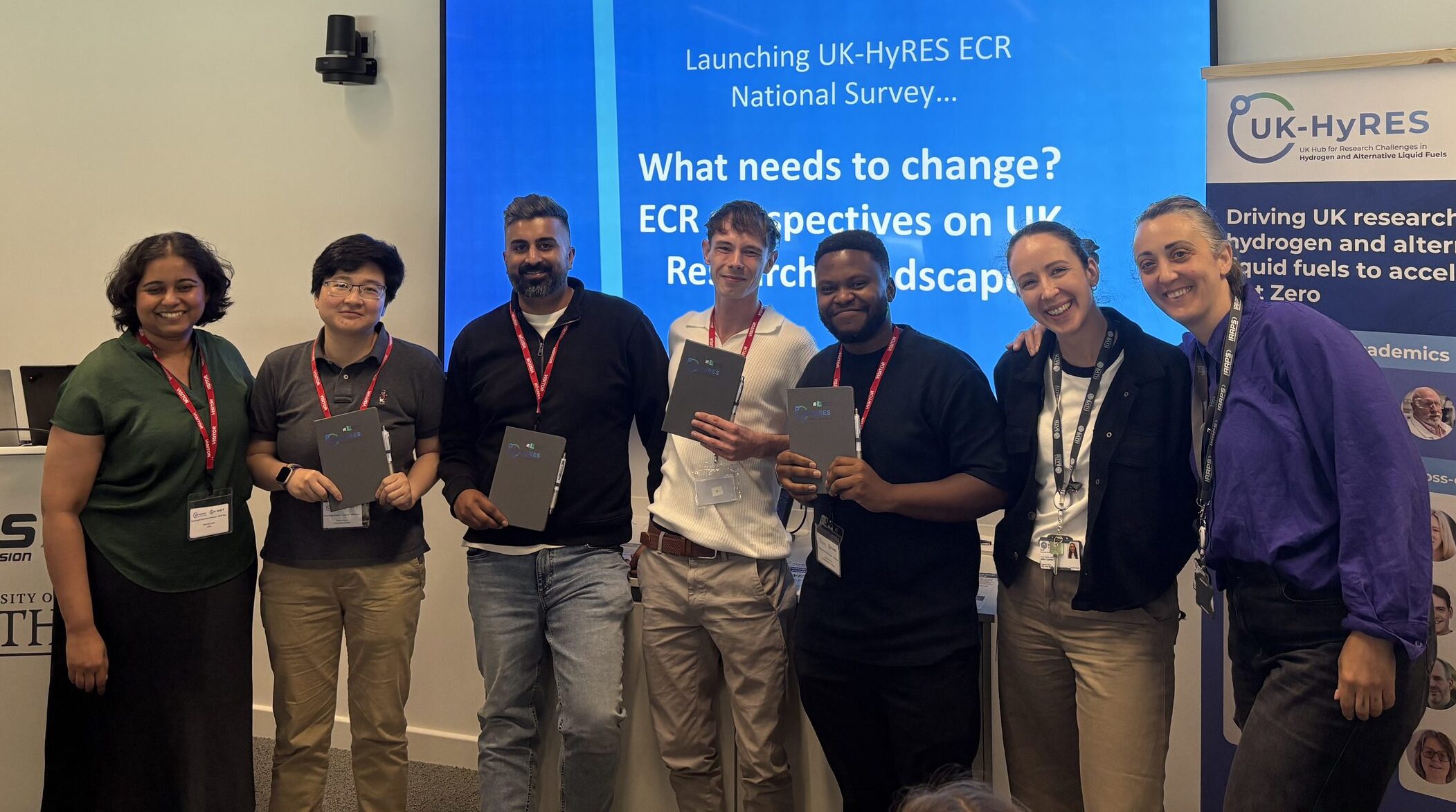
We recently sat down with the new Co-Chair of Network, Dr Selda Ozkan from the University of St Andrews, to find out about her work and her vision for the Network going forward.

Tell us a bit about your research and background?
I received my PhD in Materials Science and Engineering from University of Erlangen-Nürnberg, under the supervision of Prof. Patrik Schmuki. My PhD research focused on PEMFC (proton exchange membrane fuel cell) systems, in collaboration with Toyota Motor Europe. I worked on developing nanostructured thin film electrode materials and assembling membrane electrode assemblies (MEAs) for PEMFC applications. After completing my PhD, I joined Prof. John Irvine’s group at the University of St Andrews.
My current research focuses on perovskite oxide exsolution materials, deposition techniques, nanostructured electrodes, and water electrolysis systems. If we look at current hydrogen technologies, precious metals still play an important role in both hydrogen production and utilisation technologies. In my research, I follow two main approaches to develop electrocatalyst material. The first is to minimise the amount of noble metals required by improving their dispersion and utilisation on perovskite oxide support materials. The second is to replace noble metals with earth-abundant, low-cost, and catalytically active non-precious metals.
The primary advantage of exsolution materials is their ability to yield uniformly distributed, ultra-fine nanoparticles (1–3 nm) with tailored sizes and densities. Strong anchoring to the oxide substrate provides robust catalyst–support interactions, which suppress migration or agglomeration during electrocatalyst usage/operation.
Why have decided to focus on the area of green hydrogen – what excites you about it?
We have a responsibility to use our knowledge and scientific understanding to help build a better world. If we continue with the way we live today, future generations may face increasing challenges related to air, food, and water quality, as well as access to essential resources.
I believe even a small contribution can make a big difference. This is one of the reasons I am interested in green hydrogen. Green hydrogen has the potential to contribute to a cleaner and more sustainable energy system, although there are still significant challenges in terms of cost, safety, infrastructure, and large-scale deployment. However, I believe we will see the full benefits of hydrogen more clearly in the long term, as these system-level challenges are gradually addressed.
Why were you motivated to become the ECR co-chair?
When the UK-HyRES project first started, there were only a few ECRs. Raj and Sibimol have done a great job in developing the ECR community, and we now have over a hundred members. As an ECR Co-Chair, I view my role as both an opportunity and a responsibility to support our community and contribute to its continued development.
Second, from a personal development perspective, I consider leadership as an important skill to develop. This role would give me the opportunity to gain more leadership experience, connect with more people across the Hub, and broaden my professional network.
What are the key challenges face by ECRs in the hydrogen field at the moment?
There are two key challenges (in general) for ECRs now. The first is career stability. There are many highly skilled and talented researchers, but the number of permanent academic positions is limited, as a result some often face uncertainty and may eventually pursue opportunities in industry or other sectors.
The second is funding. Securing fellowships and research grants is a crucial part of developing an independent academic career, but competition is extremely high, with success rates sometimes below 5–10%. This makes it particularly difficult for ECRs to establish their own research programmes and build a long-term academic career in the field.
What are you hoping to achieve in your role?
My aim as an ECR Co-Chair is to build a supportive, friendly, and inclusive platform where ECRs can collaborate, develop their careers, and have their voices heard within the Hub. Also, I intend to grow the ECR community and expand our network by reaching out to researchers and academics in the hydrogen field, both in the UK and internationally.
Do you have some new initiatives in mind?
I am exploring the possibility of ECR open discussion & ideas sessions to establish informal discussion sessions that provide a supportive space for ECRs to share challenges, exchange ideas and experiences, and discuss topics relevant to their research and career development.
Can you share one piece of key advice or learning that has come out of your career so far that you would like to share with upcoming researchers?
I believe in the importance of resilience. Keep pursuing what you believe in, even when you cannot see the way forward. Sometimes, things do not work out as expected, but persistence can lead to something different or even better.
Find out more about the ECR Network: https://ukhyres.ac.uk/early-career-researchers/
Dr Sibimol Luke, Research Fellow at University College London (UCL), recently attended the UK-India Green Hydrogen Roundtable on behalf of UCL and the UK-HyRES: Hub for Research Challenges in Hydrogen and Alternative Liquid Fuels. The event was hosted by the Department for Business and Trade (DBT) in partnership with the Hydrogen Energy Association (HEA), the Confederation of Indian Industry (CII), and Imperial College London.
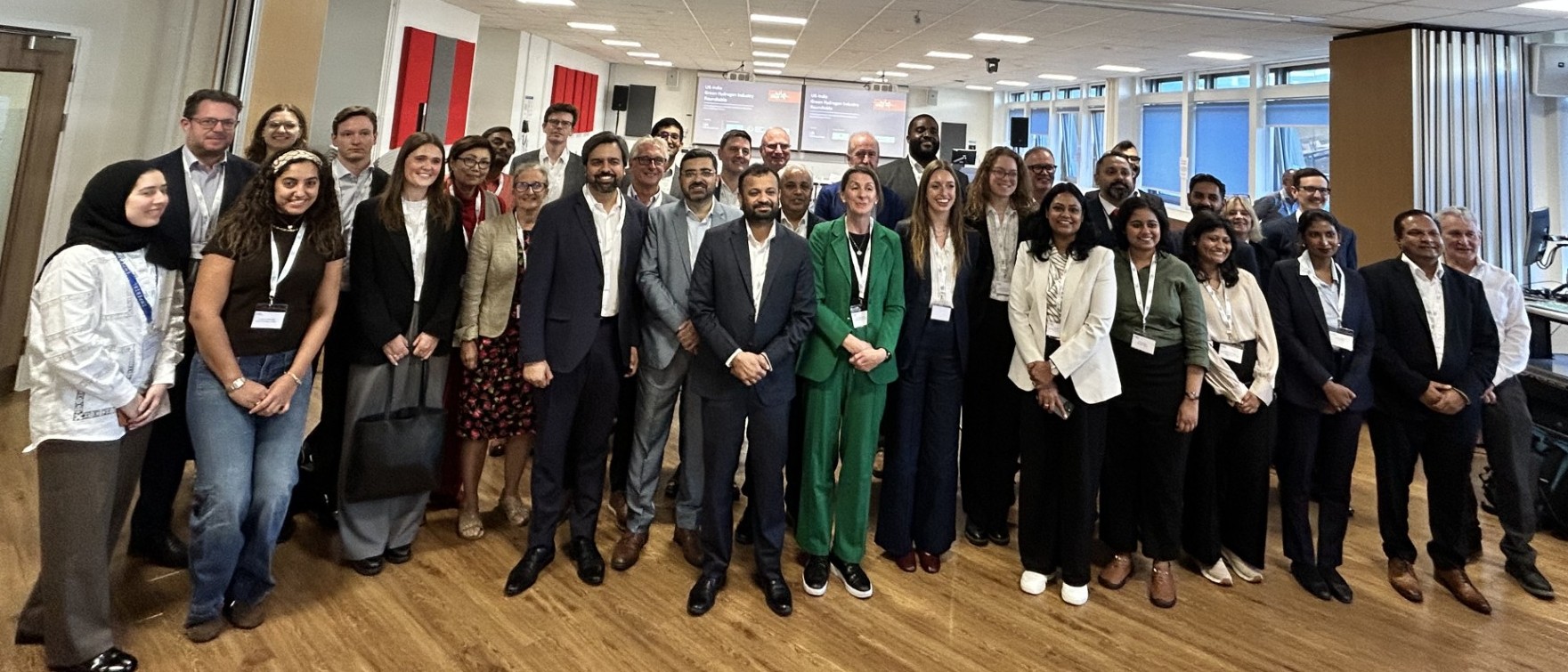
The roundtable brought together stakeholders from government, industry, and academia to explore opportunities for collaboration across the hydrogen value chain. Discussions highlighted the significant progress being made in India’s green hydrogen sector and the strong potential for UK-India collaboration.
The UK’s experience in hydrogen innovation, research, policy development, market-support mechanisms such as the Hydrogen Allocation Round (HAR) and Contracts for Difference (CfD), and emerging hydrogen clusters were discussed alongside India’s scale, manufacturing capabilities, and ambitious deployment plans.
Commenting on the event, Dr Sibimol said: “The roundtable provided an excellent opportunity to learn more about India’s rapidly evolving green hydrogen landscape and to explore areas where UK and Indian organisations can collaborate. Sharing experiences and lessons from projects on the ground will be essential for identifying practical pathways to scale hydrogen technologies and strengthen international partnerships.”
Liquid hydrogen is attracting growing interest as a route to decarbonising aviation, but integrating it into an aircraft involves far more than simply storing fuel at extremely low temperatures.
A Critical Review of Cryogenic Hydrogen Storage and Fuel-System Integration for Aviation, published in Renewable and Sustainable Energy Reviews, brings together expertise from the University of Bath, GKN Aerospace and collaborators across disciplines to examine the challenges of integrating liquid hydrogen into future aircraft.
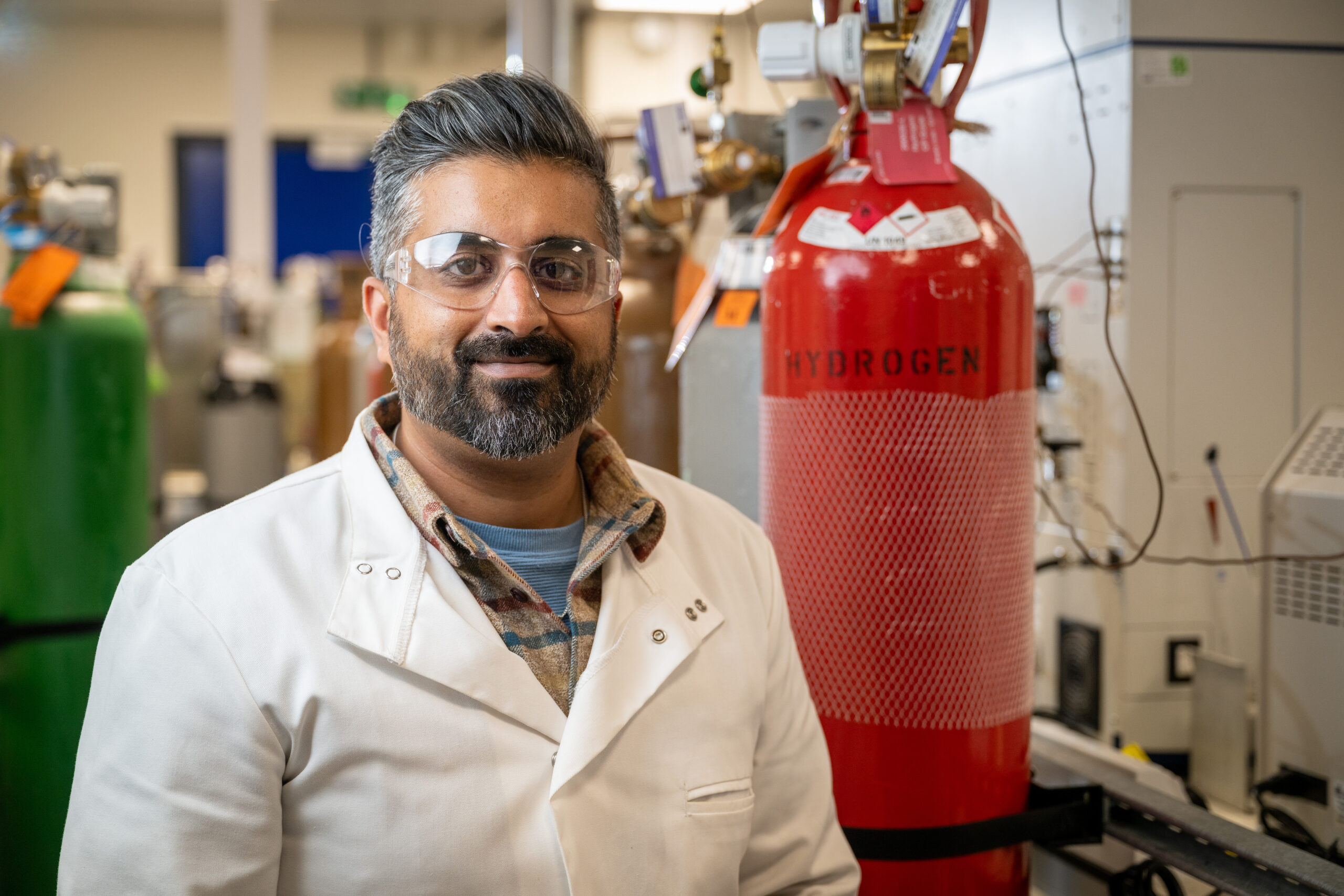
In this Behind the Paper feature, lead author and UK-HyRES Hub Researcher Dr Rajan Jagpal reflects on the motivation behind the review, the questions that shaped the research, and what the team learned along the way.
1. What is the actual problem this paper is trying to solve?
The question has shifted over the past decade.
It used to be whether liquid hydrogen could be kept cold, or whether an LH2 propulsion system could physically fit on an aircraft. We now know both are possible. The harder question is whether the whole system can remain predictable through years of operation on a real aircraft.
At the beginning, I imagined the review rather naively. I thought it would mostly be about keeping enough hydrogen cold. Keeping LH2 near 20 K (−253 °C) in a tank large enough to give useful range without making the aircraft too heavy is clearly important. But thanks to vacuum insulation, and decades of experience with other cryogenic systems, keeping the hydrogen cold turns out to be only part of the story.
An aircraft tank also has to deliver fuel while the aircraft is flying. It has to cope with changing fuel demand, turbulence, turning, ascent, descent and repeated thermal cycles, all inside a space-limited, safety-critical vehicle. That means it is no longer simply a container. It becomes an active cryogenic fuel system, with vacuum insulation, ullage, pressure control, valves, sensors, fuel conditioning, heat exchangers and certification all working together.
Looking back, I think we spent less time understanding the tank than understanding the state of the hydrogen as it moves through the aircraft. That turned out to be the more interesting problem. That way of thinking even changed how we presented the fundamentals, including making a clearer distinction between a vapour and a gas.
That’s why we present a phase diagram, developed under the guidance of Emeritus Professor Tim Mays, that clearly distinguishes vapour from gas. Surprisingly, that distinction is not presented particularly clearly in much of the existing literature.
2. Why did this need writing now?
Liquid hydrogen is increasingly being explored as a route to decarbonising aviation. In 2022, aviation accounted for around 2% of global CO2 emissions, and that’s projected to grow to as much as 20% by 2050 if we do nothing to change our technology or behaviour.
There was already a great deal of useful knowledge out there. The problem was that it lived in different places.
Some came from aircraft concept studies. Some came from space systems. Some from road tankers, ships and industrial cryogenics. Some simply came from conversations with people who had spent years working with these systems.
None of it transfers cleanly to an aircraft.
A road tanker can be heavy. A ship has more room to compromise on access and maintenance. A launch vehicle has a very different operating life. Aircraft have none of those luxuries. Mass, volume, reliability, maintenance and certification all have to work together, across thousands of flight cycles.
That made it surprisingly difficult to see the real research questions.
At Bath, the UK-HyRES and the ZENITH Partnership were already bringing together researchers from different disciplines alongside industrial partners. Everyone had part of the picture, but rarely the whole picture. We wanted the review to provide a common framework that people could challenge, improve and build on.
We started drafting it in autumn 2024 and spent the best part of a year refining it with the co-authors. That felt appropriate for a paper whose argument is partly that these systems cannot be rushed. We note that qualifying a new material or cryogenic architecture for aircraft use can take the best part of a decade.
The field doesn’t just need new materials.
It needs to understand what the materials and systems we already have do inside a real aircraft. Once we have that knowledge, we can optimise and develop innovations that have real impact.
3. What surprised you most while working on it?
Vacuum, honestly.
Professor Stephen Harrison pushed this point hard in our discussions, and it stayed with me.
The instinct is to think about a hydrogen leak as lost fuel. But in a vacuum-insulated tank, a small leak may matter far more because of what it does to the vacuum than because of the hydrogen it costs.
A poorer vacuum means more heat entering the system. More heat means more boil-off. More boil-off changes pressure control.
The paper therefore treats vacuum condition as part of the health of the whole fuel system, not something checked once during manufacture and then forgotten.
It changed how I read the literature.
The question stopped being, “How well does this component perform?”
It became, “What happens next because it performs that way?”
4. What makes this concrete rather than abstract?
The numbers help.
One Aerospace Technology Institute midsize aircraft concept discussed in the review carries 279 passengers and around 16,700 kg of liquid hydrogen. At 20 K, that corresponds to roughly 230 m³ of liquid. Once ullage is included, the total tank volume approaches 300 m³, equivalent to a sphere over 8 m in diameter.
At that point, the tank is no longer just a storage problem. It becomes cabin space, cargo space, centre of gravity and range.
A much smaller example makes exactly the same point.
One retrofit study of a Cessna Citation found that relatively modest aircraft changes still produced a payload penalty equivalent to three passengers and their luggage.
“Integration penalty” sounds like an engineering phrase.
Passengers would probably call it fewer seats.
Freight companies would probably call it more expensive cargo.
Looking back, the review left me more optimistic. Thinking in terms of systems and balance-of-plant, rather than individual components, reveals how much room there still is for innovation.
5. So what happens next?
I hope the review helps people ask better questions.
Researchers can use it to identify where isolated laboratory experiments are enough, and where aircraft-scale, coupled evidence is really needed. Industry engineers can use it as an open map of what is well understood, what has been borrowed from another sector and what still needs aircraft-specific evidence. Certification specialists can use it to see where today’s standards stop and tomorrow’s evidence begins.
Working with the co-authors, and more widely with colleagues across UK-HyRES, ZENITH and GKN Aerospace, changed the questions we were asking. Different disciplines challenged different assumptions, and the review became stronger because of that.
It also changed how I think about liquid hydrogen itself.
Liquid hydrogen is stored cold because it has to be. But the aircraft does not ultimately need “cold”. It needs useful energy delivered at the right pressure, temperature and flow rate.
So the cold has to go somewhere.
It can be wasted.
It can be managed.
Or it can be used.
I increasingly think that many of the next advances in hydrogen aviation will come from understanding that journey better, rather than treating storage, propulsion and thermal management as separate problems. That opens interesting possibilities, from better heat exchangers and pressure management to superconducting electrical systems and new aircraft architectures. Not every idea will work, and many will prove too heavy or too complex, but that is exactly why the evidence matters.
The goal is not simply a better tank.
It is a hydrogen aircraft whose compromises are understood, measurable and manageable before the aircraft ever leaves the ground.
In other words, not just a better container, but a better cryogenic system.
Author contributions (CRediT)
R.J.: Writing – Original Draft, Conceptualisation, Visualisation, Writing – Review and Editing. G.M.N.: Writing – Original Draft, Conceptualisation, Visualisation, Writing – Review and Editing. V.S.: Writing – Review and Editing. R.B.: Writing – Review and Editing, Funding Acquisition. C.B.: Writing – Review and Editing. S.H.: Writing – Review and Editing. T.J.M.: Writing – Review and Editing, Conceptualisation, Funding Acquisition.
Funding
This work was supported by the UK Engineering and Physical Sciences Research Council (EPSRC) through UK-HyRES, the UK Hub for Research Challenges in Hydrogen and Alternative Liquid Fuels, EP/X038963/1, the ZENITH, Zero Emission: the Next Generation of Integrated Technologies for Hydrogen, Prosperity Partnership between GKN Aerospace and the University of Bath, EP/X025403/1, and GW-SHIFT, the Great Western Supercluster of Hydrogen Impact for Future Technologies, EP/Y023994/1.
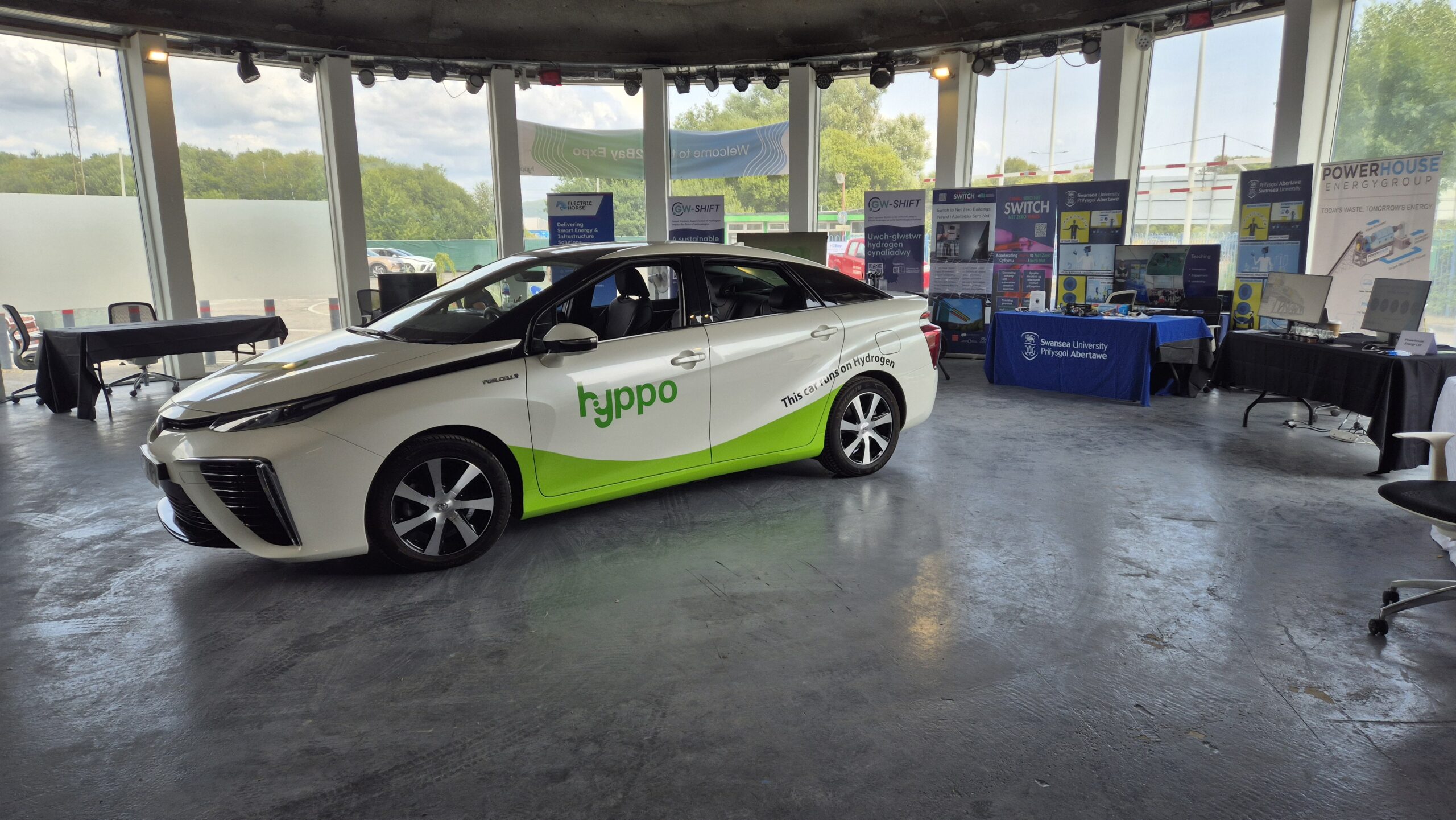
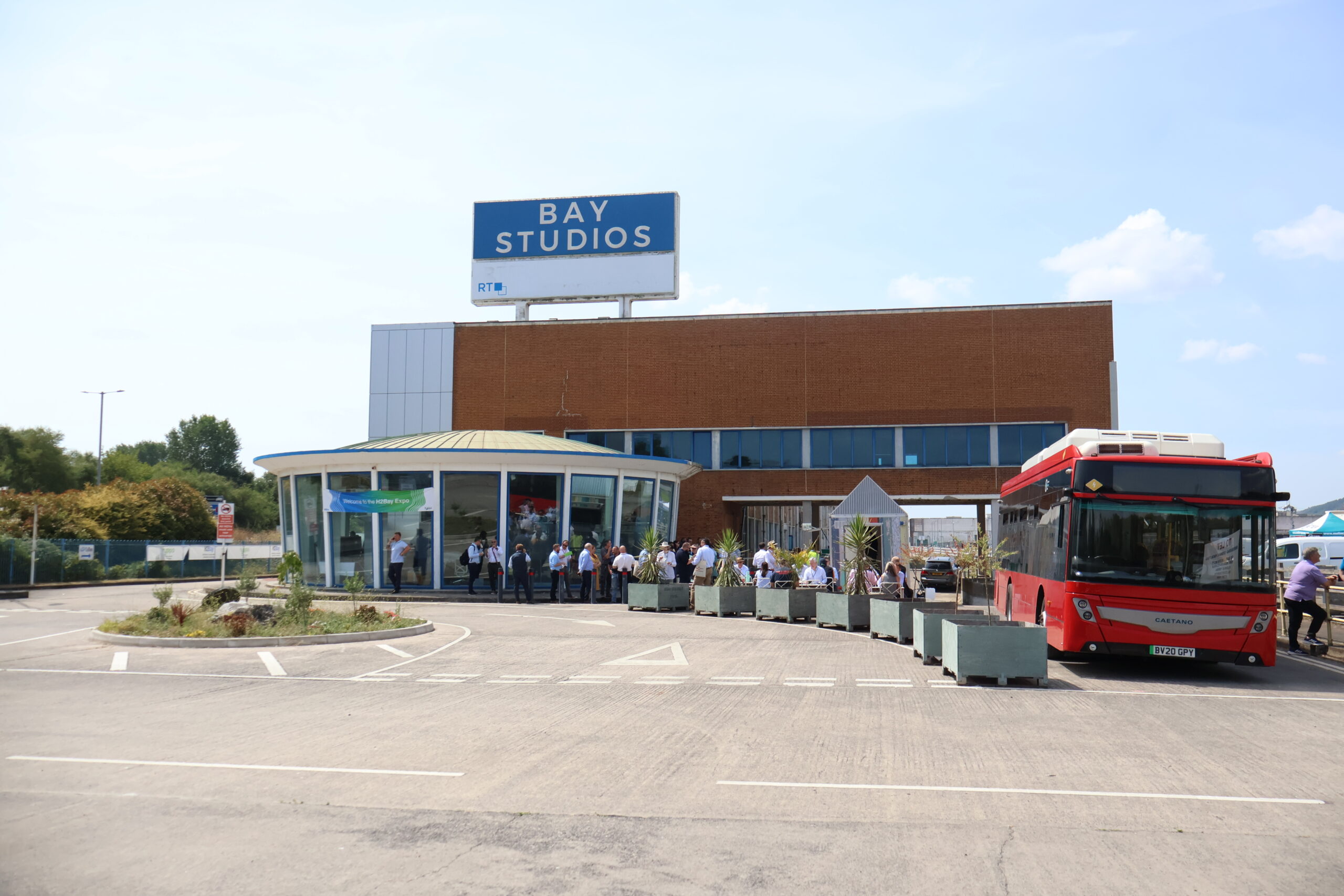
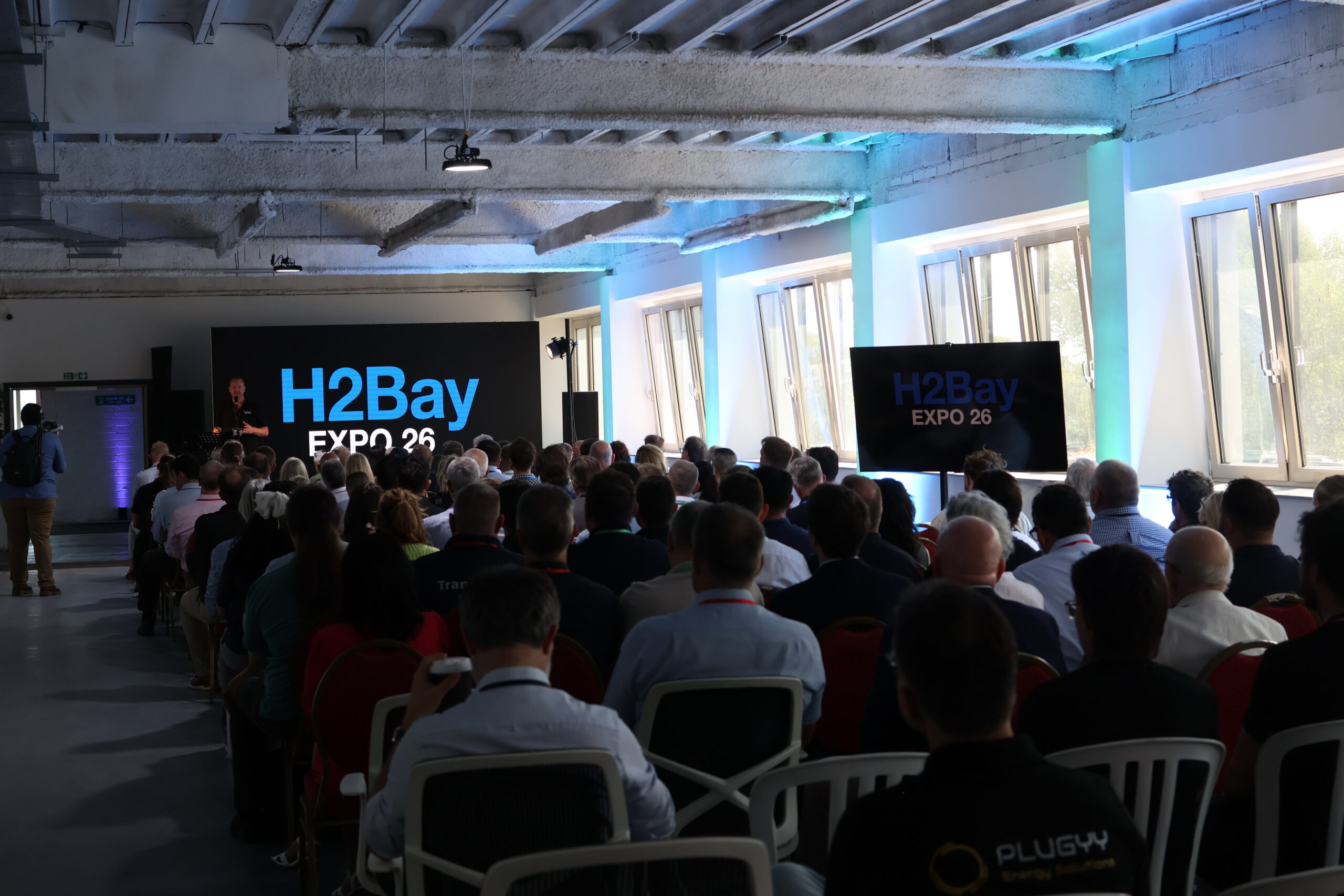
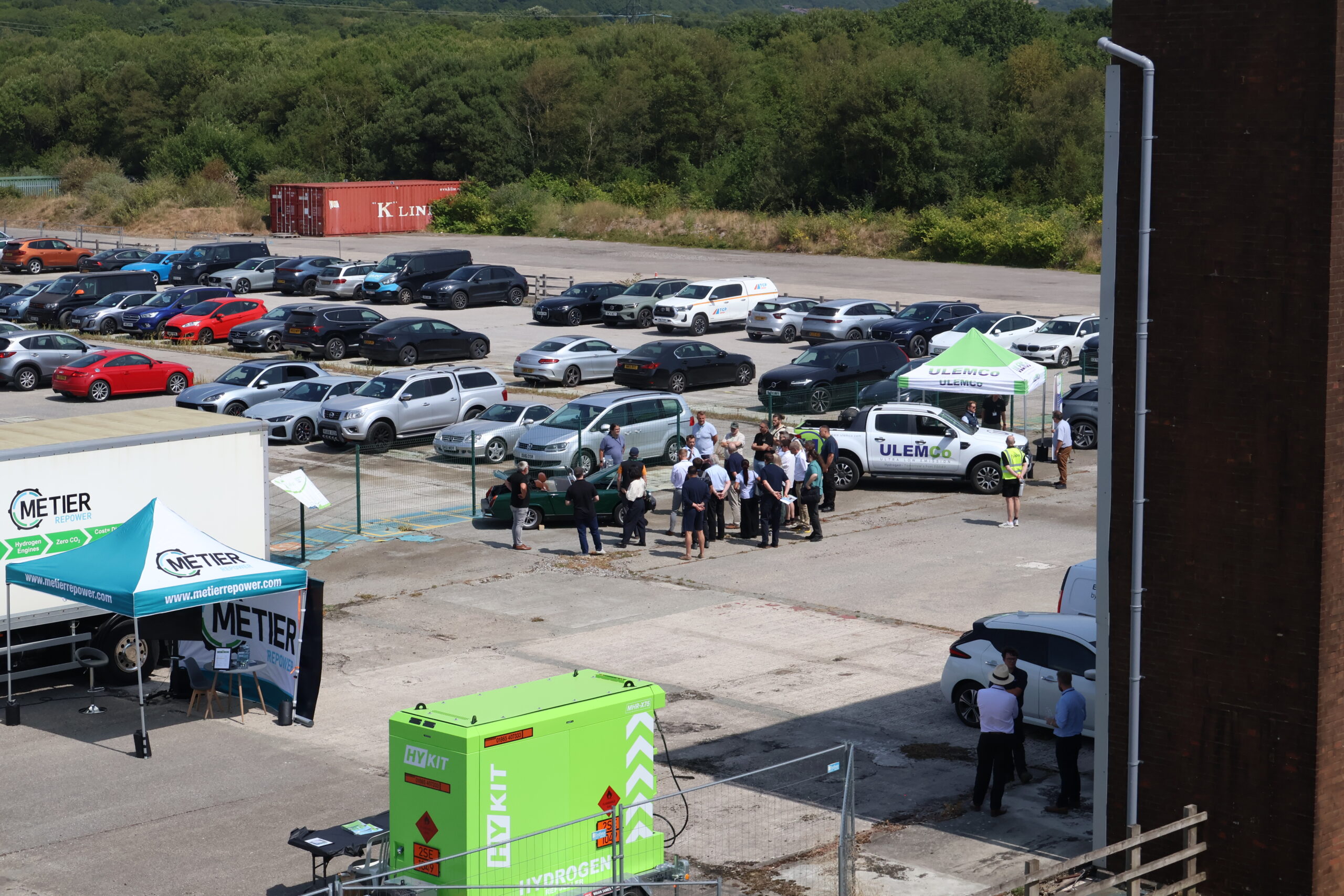
Organisations from across the hydrogen sector came together at the Hyppo Hydrogen Expo in July to showcase the technologies, partnerships and projects shaping the future of hydrogen. The event highlighted the growing level of activity taking place across the industry, with businesses developing new technologies, forming partnerships and delivering projects that are helping to build the foundations of a hydrogen economy.
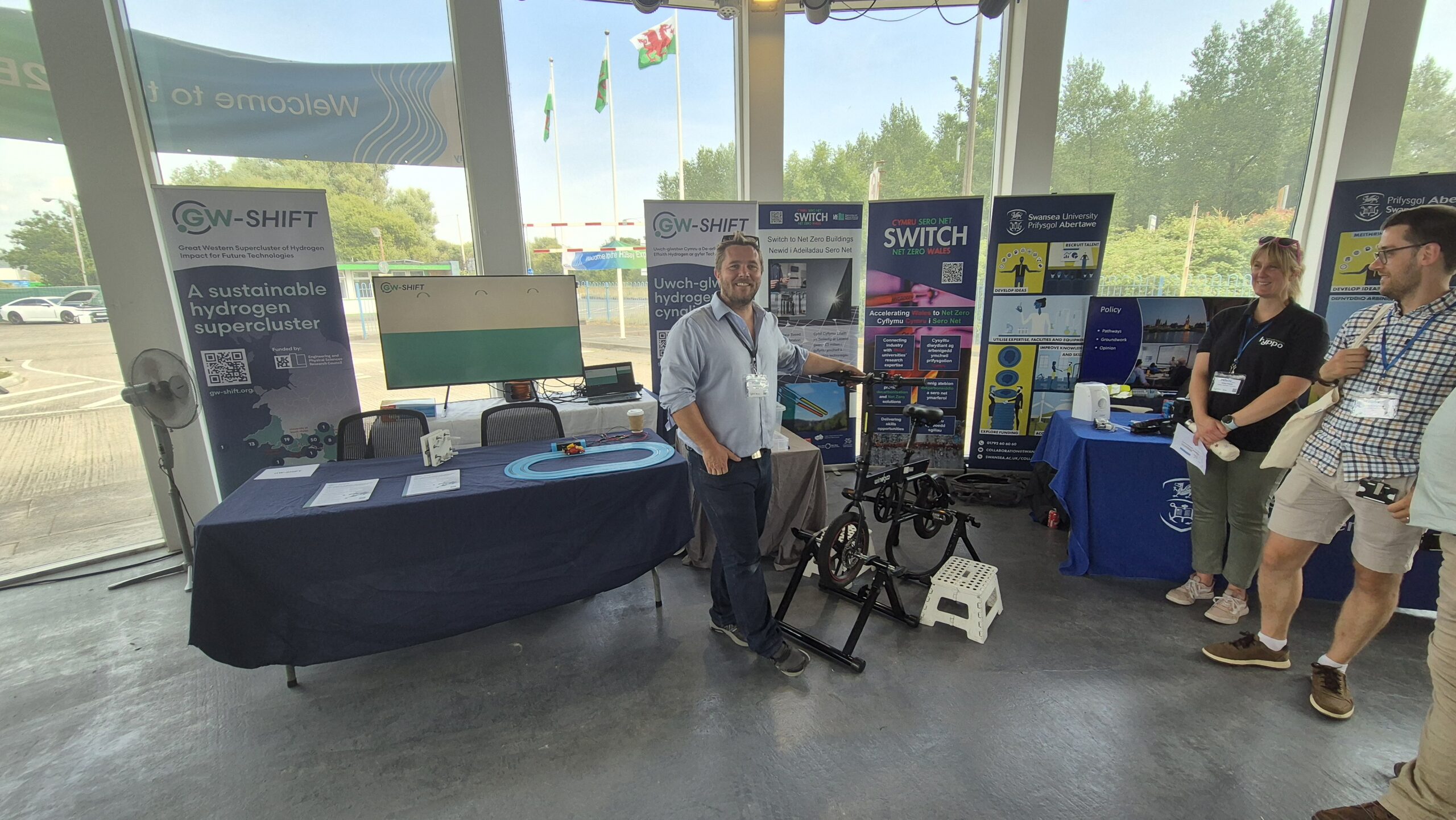
Representing UK-HyRES at the Expo, Professor Chris Brace, Director and Principal Investigator, UK-HyRES & University of Bath, came away with a strong sense of optimism about the sector’s direction.
“At a time when much of the conversation around hydrogen focuses on strategy, policy and market challenges, what stood out at the Hyppo Hydrogen Expo was the sheer level of activity taking place,” he said. “Beyond the headlines, organisations are investing, collaborating and delivering real projects that are helping to build the UK’s hydrogen economy.”
One of the clearest indicators of this momentum was the breadth of organisations represented at the event. Established companies such as Wales & West Utilities, ITM Power, Fuel Cell Systems and Toyota exhibited alongside innovative businesses including Metier Power and Hyppo Hydrogen Solutions, reflecting the growing diversity of the hydrogen ecosystem.
“What was particularly encouraging was seeing organisations from across the entire value chain in one place,” Chris added. “Hydrogen is no longer simply a future ambition. It is an active and growing industry, with businesses developing technologies, creating commercial opportunities and working together to deliver practical solutions.”
Across the exhibition, discussions centred on collaboration, project delivery, innovation and investment. Rather than focusing solely on future ambitions, conversations reflected a sector increasingly focused on deployment and building the infrastructure, technologies and supply chains needed to support long-term growth.
“The atmosphere throughout the event was incredibly positive,” Chris reflected. “There was a genuine sense that, while challenges remain, the sector is moving in the right direction. The level of engagement and the number of organisations actively doing business reinforced the confidence many of us have in hydrogen’s role within the UK’s energy transition.”
For UK-HyRES, events like the Hyppo Hydrogen Expo are vital for engaging with industry, strengthening partnerships, and understanding the priorities shaping hydrogen research and deployment. The event demonstrated not only the importance of continued collaboration between academia, industry, and policymakers, but also highlighted a sector in motion, actively building the technologies, partnerships, and commercial foundations essential for the UK’s energy transition.
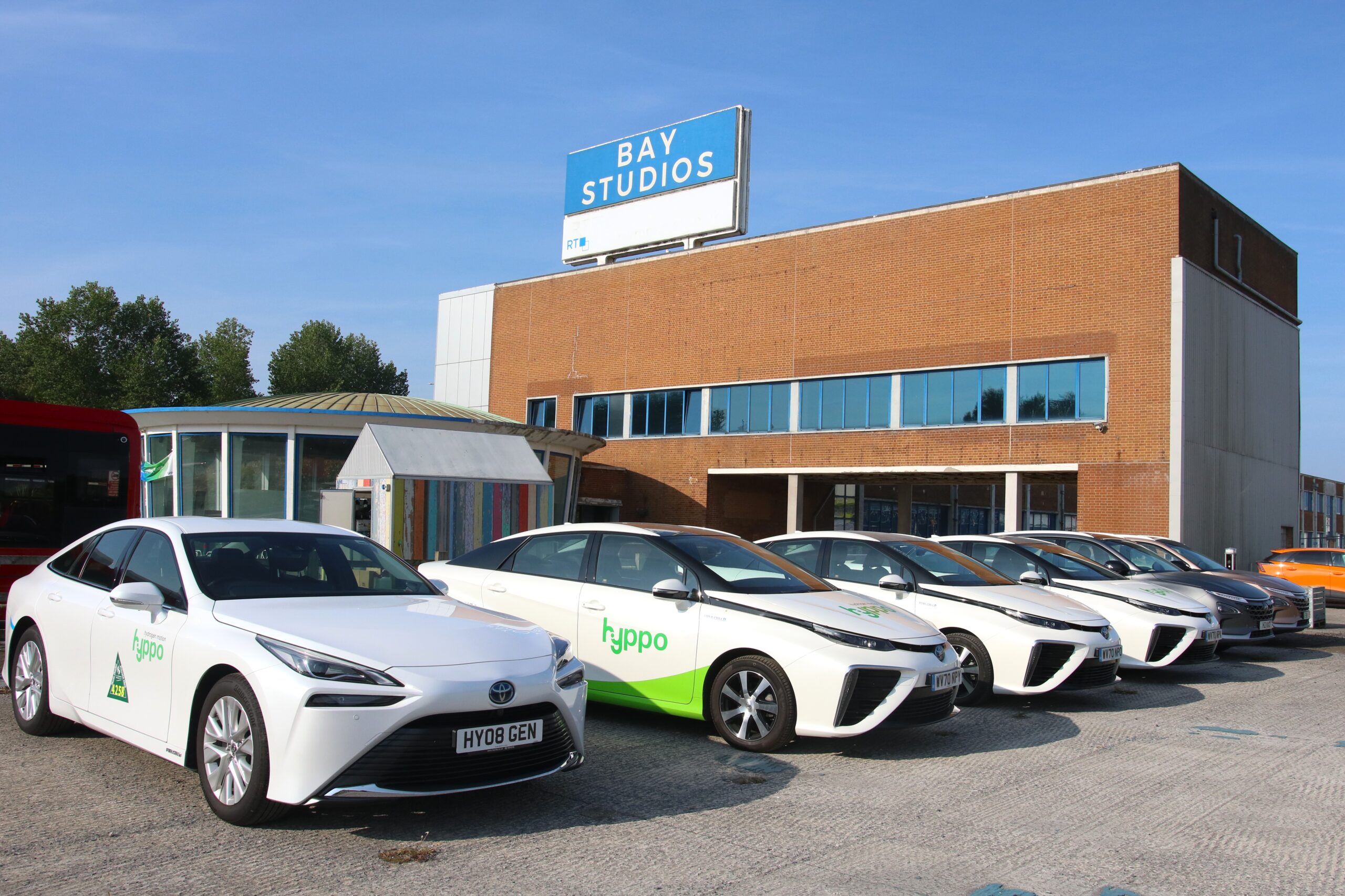
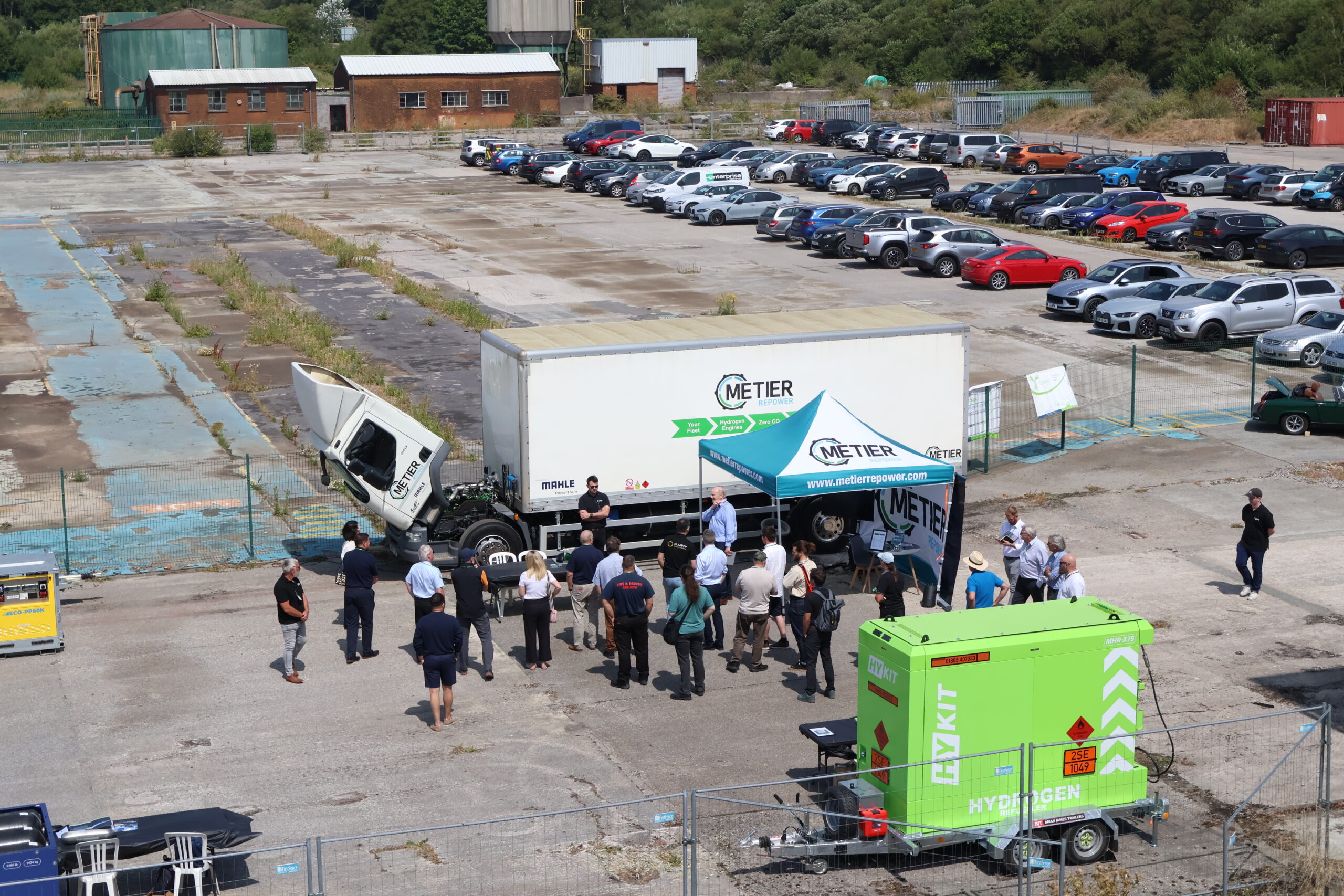
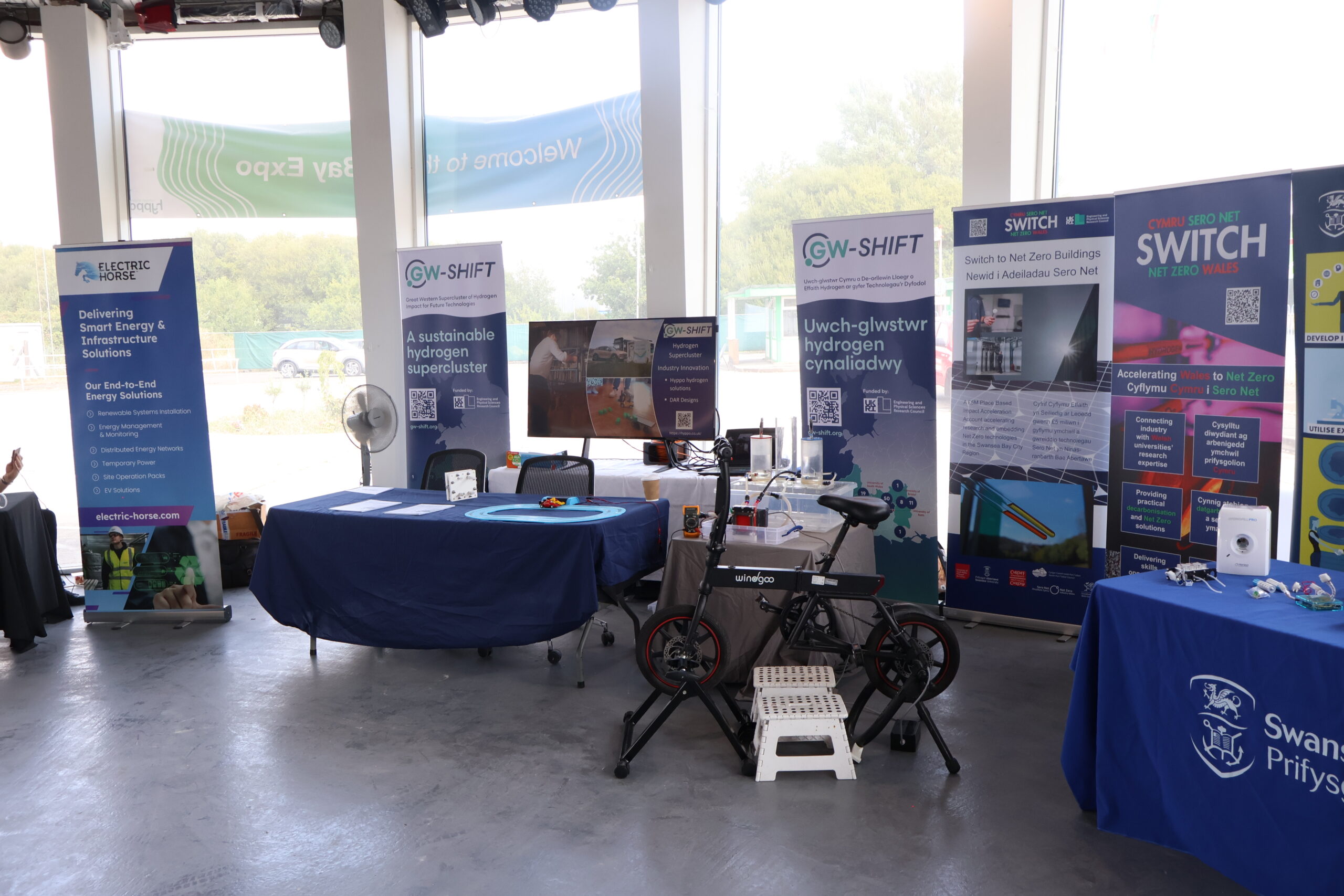

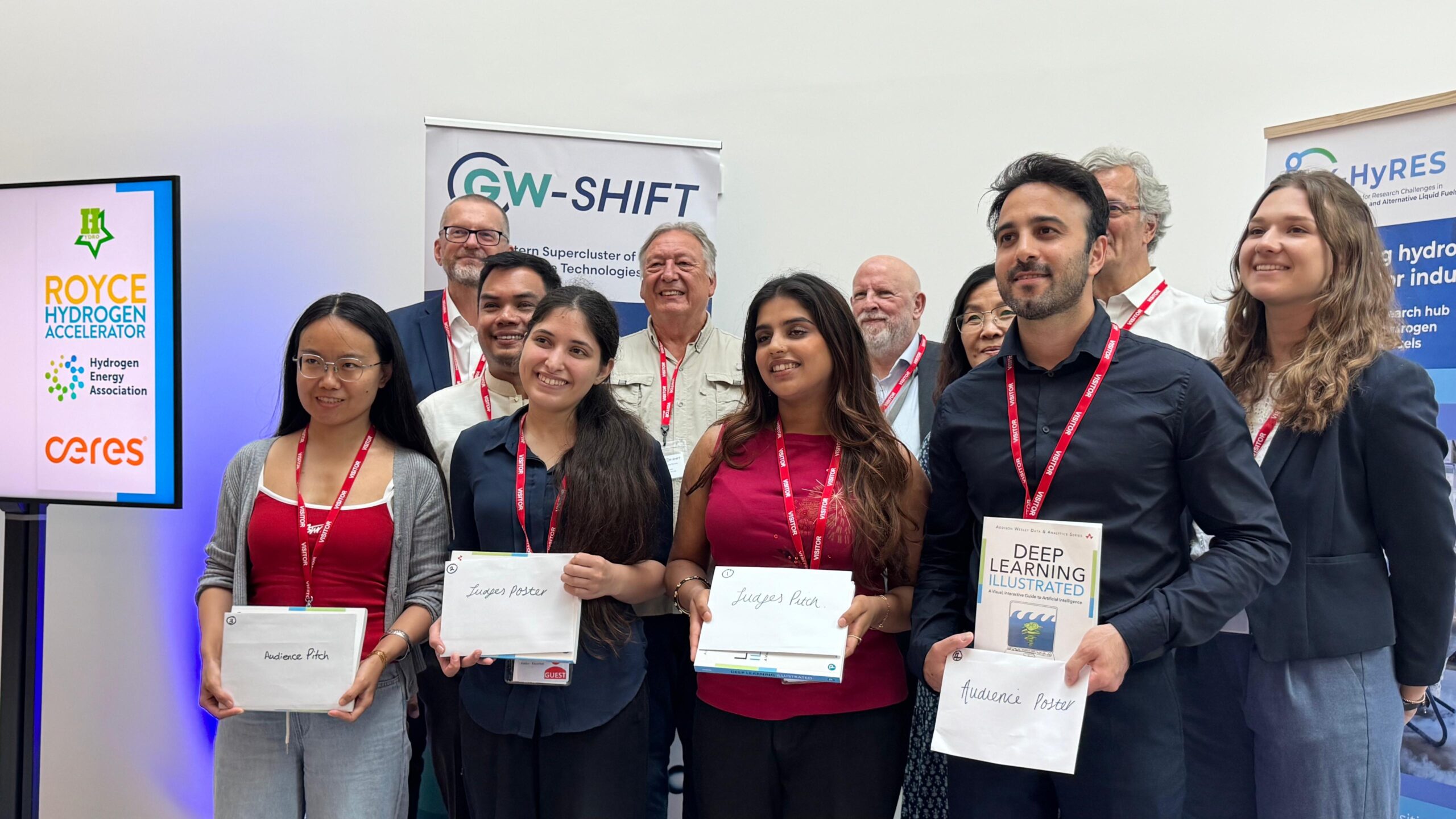
Communicating research beyond academia is an essential part of accelerating the transition to a low-carbon future. At the UK-HyRES and GW-SHIFT Hydrogen Industry Forum in July, Early Career Researchers were challenged to present their work through posters and one-minute pitches to an audience of academics, industry leaders and policymakers.
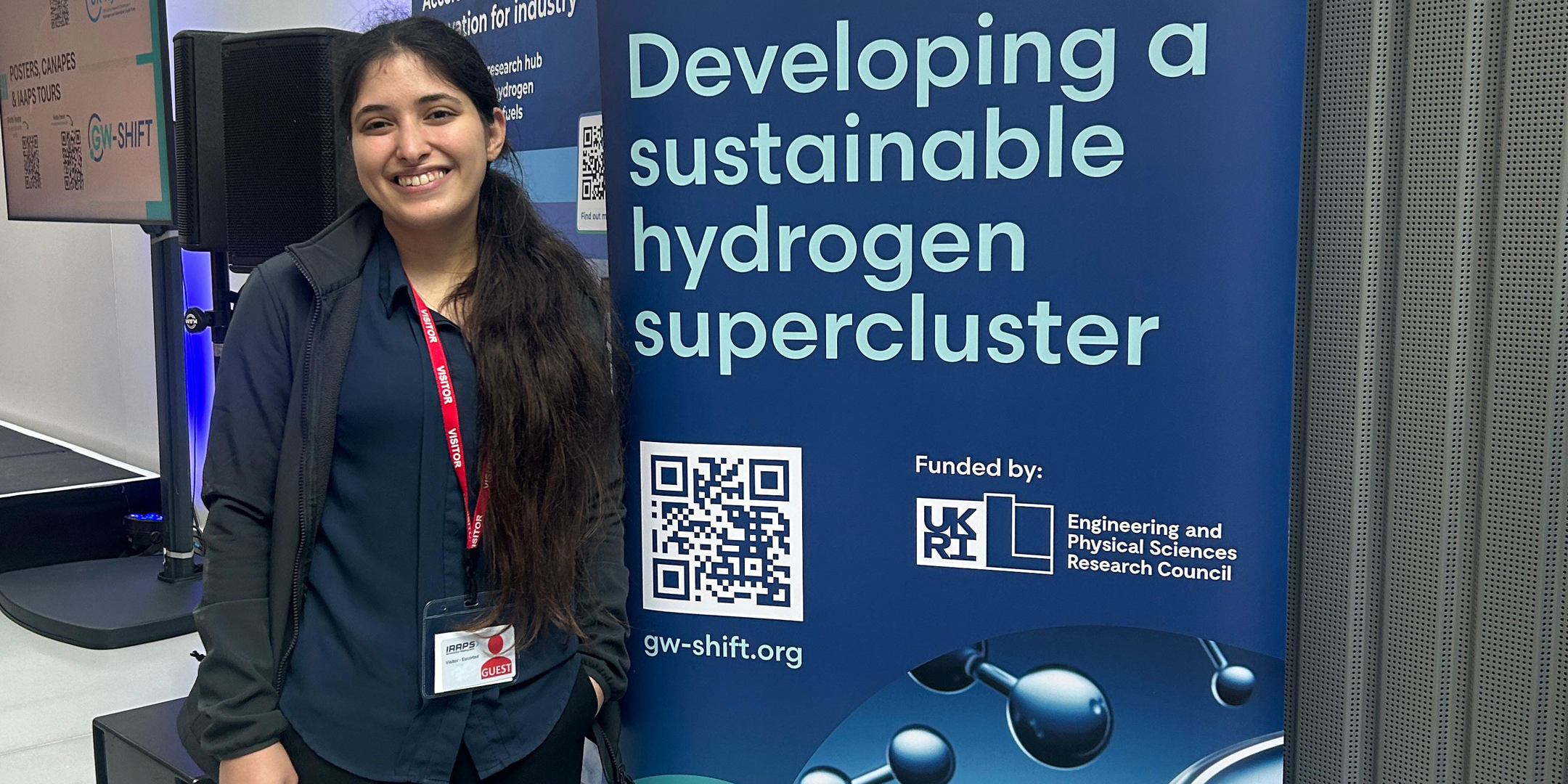
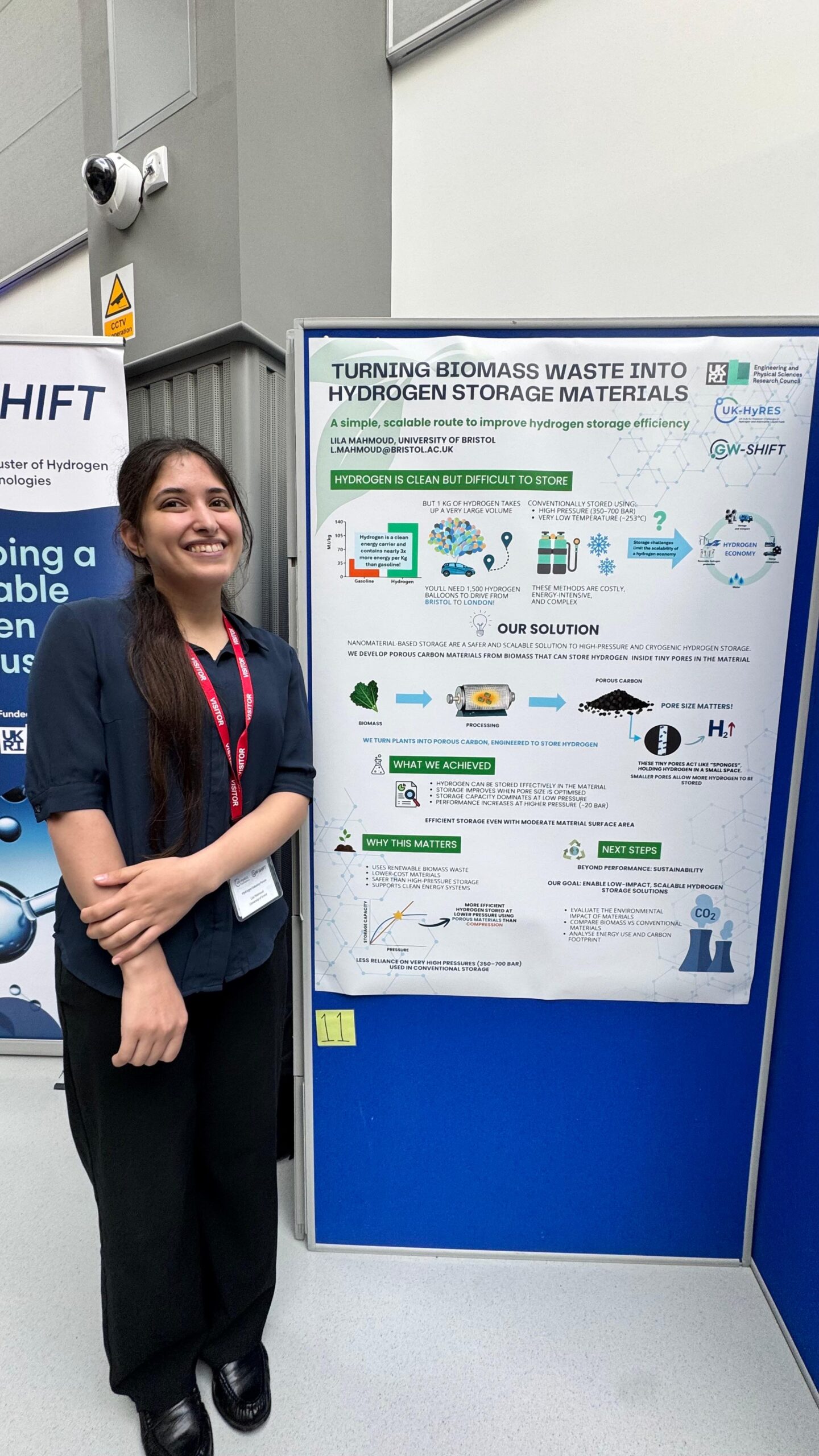
Lila Mahmoud, a PhD researcher at the University of Bristol, received the Judges’ Choice Award for her poster titled “Turning Biomass Waste Into Hydrogen Storage Materials.” By demonstrating the study’s findings, Lila impressed the judging panel with both the quality of her research and its clear relevance to the future hydrogen economy.
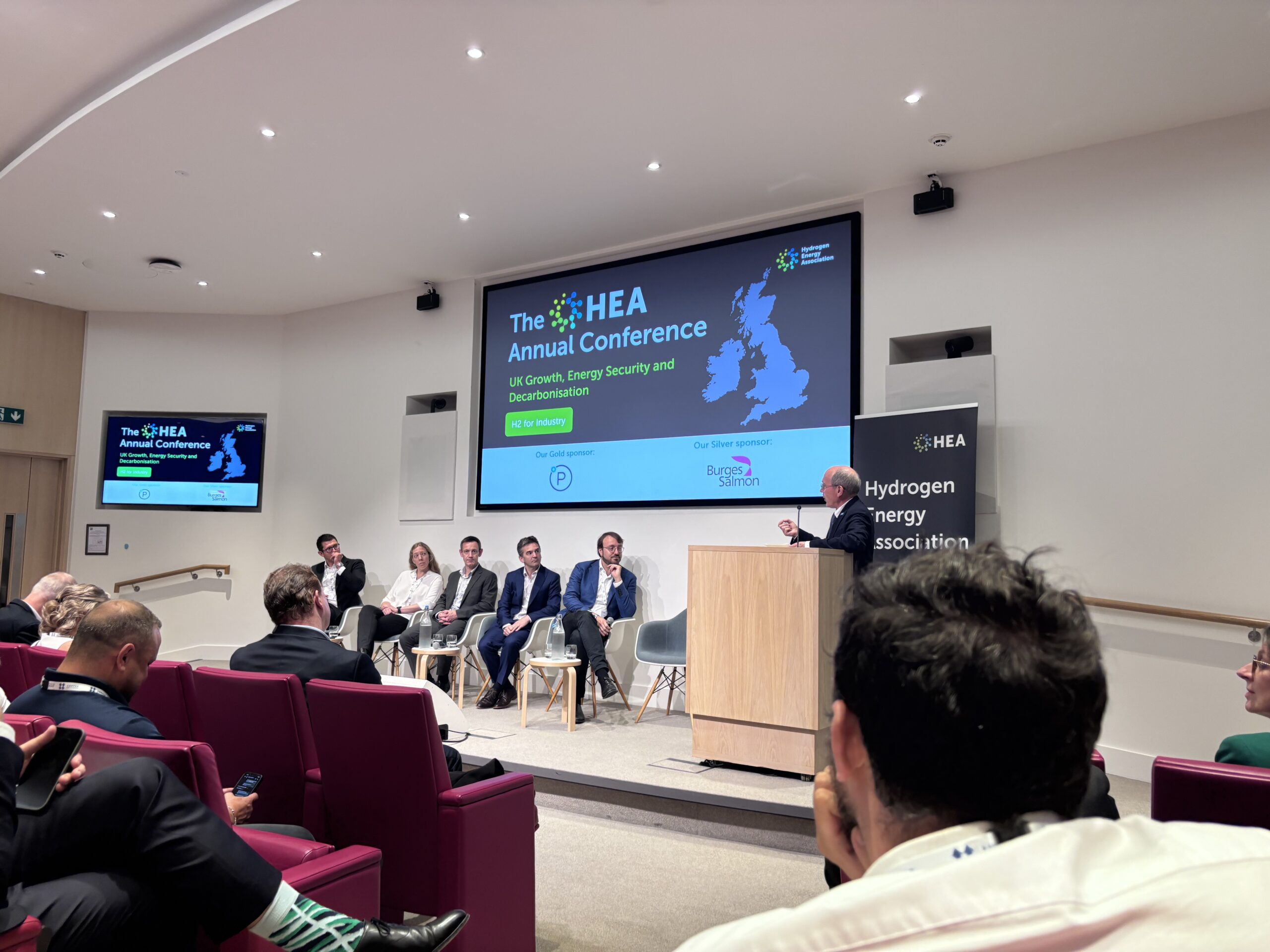
As part of her award, Lila attended the Hydrogen Energy Association (HEA) Conference, where she had the opportunity to explore the wider hydrogen landscape and engage with leaders from across industry, policy and academia. Here, she reflects on her experience.
“Attending the HEA Conference was especially valuable to me because it was my first experience of an industry-focused conference. As a PhD student working mainly in academia, I am more familiar with conferences centred on scientific methods, experimental results and academic discussion. This event introduced me to a very different side of the hydrogen sector and gave me an early opportunity to understand how research fits into a much wider system.
“My opportunity to attend came through the UK-HyRES Industry Forum, where I received the Judges’ Choice Award for my poster. Designing the poster for an industry audience was both challenging and enjoyable. Rather than focusing heavily on experimental detail, I had to present the wider problem, explain why hydrogen storage matters, and show how my research could contribute to a practical solution. This pushed me to think more carefully about impact, application and what would make the work relevant to people outside my immediate research area.
“The one-minute pitch was especially fun and a great challenge. Reducing years of research into a clear and engaging message forced me to identify what really mattered. The workshops, guidance and encouragement provided by UK-HyRES were extremely helpful throughout this process and gave me greater confidence in adapting my research for a broader audience.
“At the HEA Conference, the presentations were noticeably different from those I had encountered at academic conferences. They were geared towards investment, industry partnerships, policy and the implementation of hydrogen technologies at a systems level. It was fascinating to see how ideas that may begin in a laboratory can develop into practical projects and real-world technologies.
“The experience made me reflect on a wider question: where do we, as academic researchers, fit within this system? For me, this exposure was particularly valuable at this stage of my PhD, as it broadened my understanding of the hydrogen sector and changed how I think about the communication, direction and potential impact of my work.
“I am especially grateful to my supervisors, Dr Sanjit Nayak, Dr Jemma Rowlandson, Dr Sebastian Rochat and Professor David Fermin, for their continued guidance and support throughout my PhD and in the development of the research presented at the forum. I am also very grateful to UK-HyRES for their encouragement and for making this opportunity possible.”
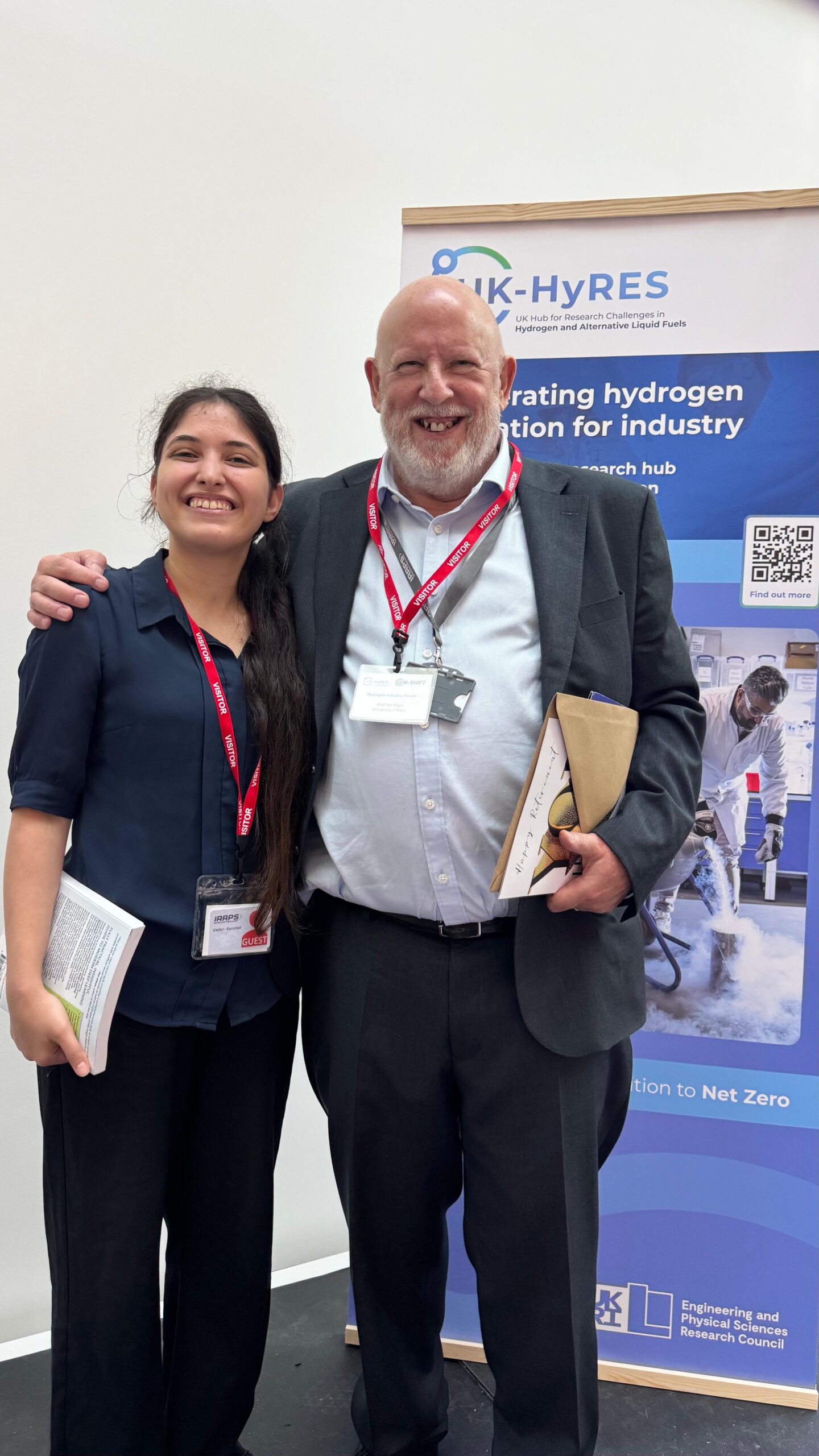
Congratulations, Lila, on this fantastic achievement. Her journey from the lab to the HEA Conference is a great example of our ECR Network providing Early Career Researchers with the tools, perspectives, and industry connections needed to turn academic research into real-world impact. We look forward to seeing Lila’s continued growth, and to supporting many more ECRs in navigating their own paths to impact.
UK-HyRES has awarded more than £4.27m in flexible funding to support pioneering hydrogen research, helping to accelerate innovation and strengthen the UK’s hydrogen research community.
The funding forms part of the UK-HyRES Flexible Funding programme, which has been established to support new collaborations, develop research capability and enable innovative projects that address key challenges across the hydrogen value chain. Since launching, the programme has supported a diverse portfolio of projects spanning fundamental research through to application-focused innovation.
The latest Early Career Researcher (ECR) Fellowship call has awarded £843k (100% FEC) to three outstanding researchers, enabling them to develop ambitious projects that will advance hydrogen technologies while supporting the next generation of research leaders.
Professor Chris Brace, Director of UK-HyRES, said: “The Fellowship Funding is a vital investment in both people and ideas. By supporting talented Early Career Researchers, we’re helping to develop the next generation of hydrogen research leaders while accelerating innovative solutions to some of the sector’s most pressing challenges. These projects demonstrate the breadth of expertise across the UK, from improving hydrogen storage and safety to enabling new applications that will support the transition to a low-carbon future. We look forward to seeing the impact these Fellowships will have on both the research community and the wider hydrogen ecosystem.”
The successful Fellows are:
Dr Luke Woodliffe, University of Nottingham
Project: Magnetic Induction Heating for Rapid, Safe and Energy-Efficient Hydrogen Storage
Dr Woodliffe’s fellowship will investigate new approaches to hydrogen storage using magnetic induction heating, supporting advances in hydrogen end use, alternative liquid fuels and environmental and economic sustainability.
Dr George Neville, University of Bath
Project: CryoSpect: Fluorescent polymer coatings for real-time monitoring and management of liquid hydrogen systems
This project will develop innovative sensing technologies to improve the monitoring, management and safety of liquid hydrogen systems, contributing to safer hydrogen storage and distribution while supporting environmental sustainability.
Jordan Davies, Cardiff University
Project: Simplified integrated system for ammonia-fired boilers enabling rural commercial readiness
This fellowship will explore integrated ammonia-fired boiler systems designed to support rural deployment, addressing challenges around storage and distribution while improving safety and commercial viability.
The ECR Fellowships build on the success of previous UK-HyRES flexible funding calls. The first Flexible Funding call awarded £2.94m, while the recent Royce SPRINT call awarded a further £493k, bringing the programme’s total investment to more than £4.27m (100% FEC) across 21 funded projects.
Together, these investments demonstrate UK-HyRES’ commitment to supporting innovative research, developing future research leaders and accelerating the technologies needed to enable a safe, sustainable and commercially viable hydrogen economy.
The next UK-HyRES Fellowship Funding call is expected to open in September, with further details to be published on the UK-HyRES website.
Researchers from UK-HyRES and HI-ACT came together at University College London for a dedicated Research Synergies Workshop, exploring how the two EPSRC-funded hydrogen research hubs can work together to tackle some of the UK’s biggest energy challenges.
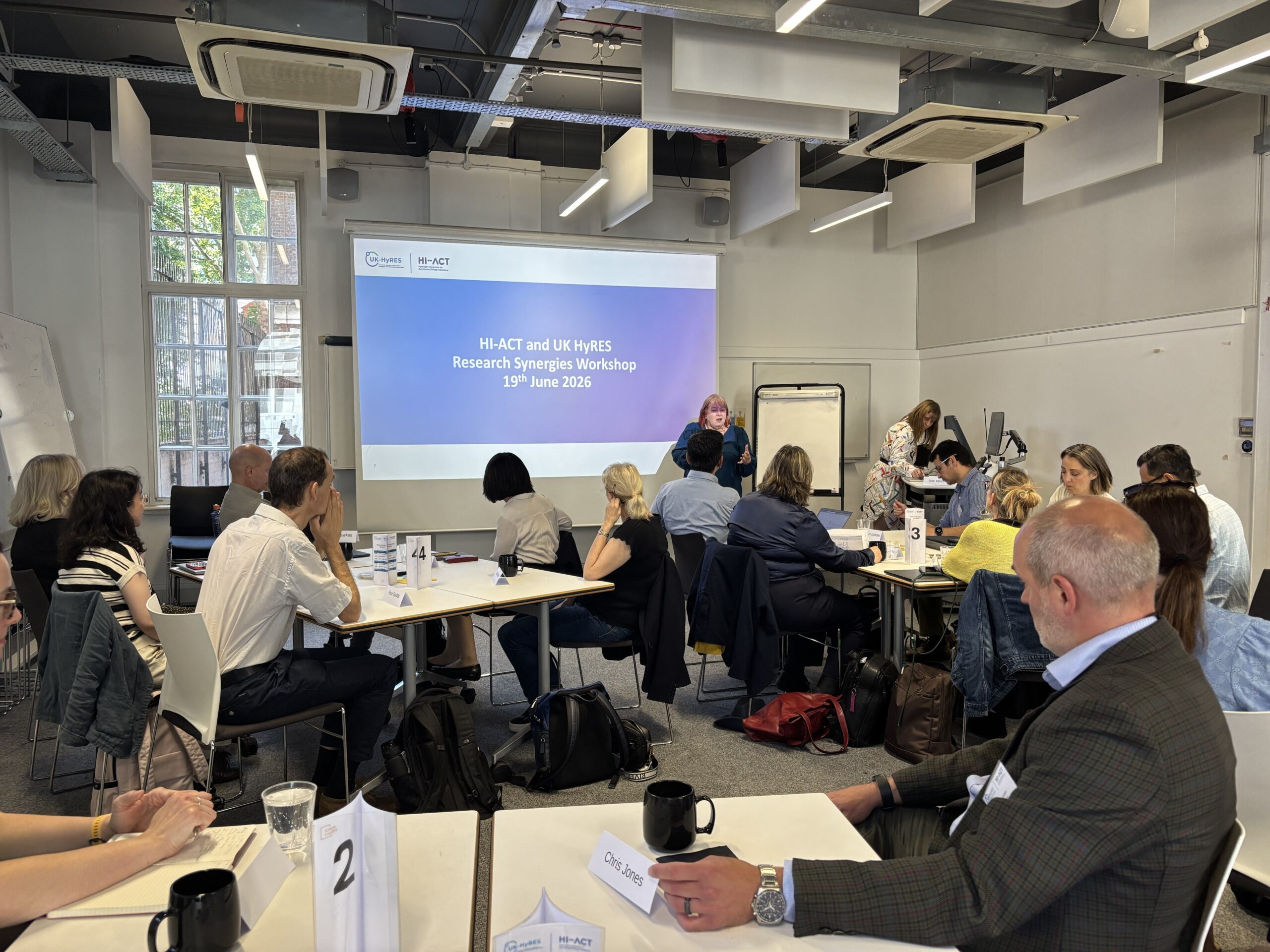
The workshop brought together experts in hydrogen technologies, whole-energy-system modelling, safety, resilience and social science. It aimed to identify opportunities for collaboration that could create greater impact than either hub could achieve independently. Through facilitated discussions and collaborative design sprints, participants developed a series of research propositions that will now move into the next stage of development.
Building stronger connections across the hydrogen ecosystem
The workshop highlighted the complementary strengths of the two hubs. While UK-HyRES focuses on advancing hydrogen and alternative fuel technologies, HI-ACT brings expertise in whole-system integration, infrastructure, markets and policy. Together, these capabilities create new opportunities to accelerate the transition from research to real-world implementation.
Throughout the day, participants explored opportunities spanning hydrogen production and storage, transport and industrial applications, environment and society, digitalisation and data. Discussions centred on a shared ambition: connecting fundamental technology innovation with the wider systems, policy and societal considerations needed to enable hydrogen deployment at scale.
Three collaborative research opportunities
The collaborative sessions generated three emerging research propositions that will now be refined by researchers from both hubs.
Embedding safety and resilience from the start
A second proposition centres on developing a safety and resilience by design framework for future hydrogen and energy systems.
The proposed framework would help designers, manufacturers and decision-makers incorporate safety, resilience, supply chain dependencies and societal considerations during the earliest stages of system design, rather than addressing them retrospectively. It would also bring together technical, social and economic perspectives to help identify vulnerabilities, understand trade-offs and support responsible innovation.
Connecting technology innovation with deployment
The first proposition focuses on ensuring hydrogen technologies are developed alongside the systems, manufacturing capabilities and supply chains needed for successful deployment.
Rather than asking simply which technology performs best, researchers explored how technology design, manufacturing readiness and supply chain development can be considered together from the outset. By co-designing technologies with the systems they will operate within, the collaboration aims to support hydrogen solutions that are scalable, resilient and economically viable.
Integrating technology and whole-system modelling
The third proposition explores creating an integrated modelling capability that links detailed technology research with whole-system energy modelling.
By combining UK-HyRES’ expertise in hydrogen technologies with HI-ACT’s whole-system analysis, researchers aim to develop tools capable of understanding how hydrogen production, storage and end-use interact across industrial systems, transport networks and energy hubs such as ports. The resulting evidence could help guide future technology development, infrastructure planning and policy decisions while supporting industry investment.
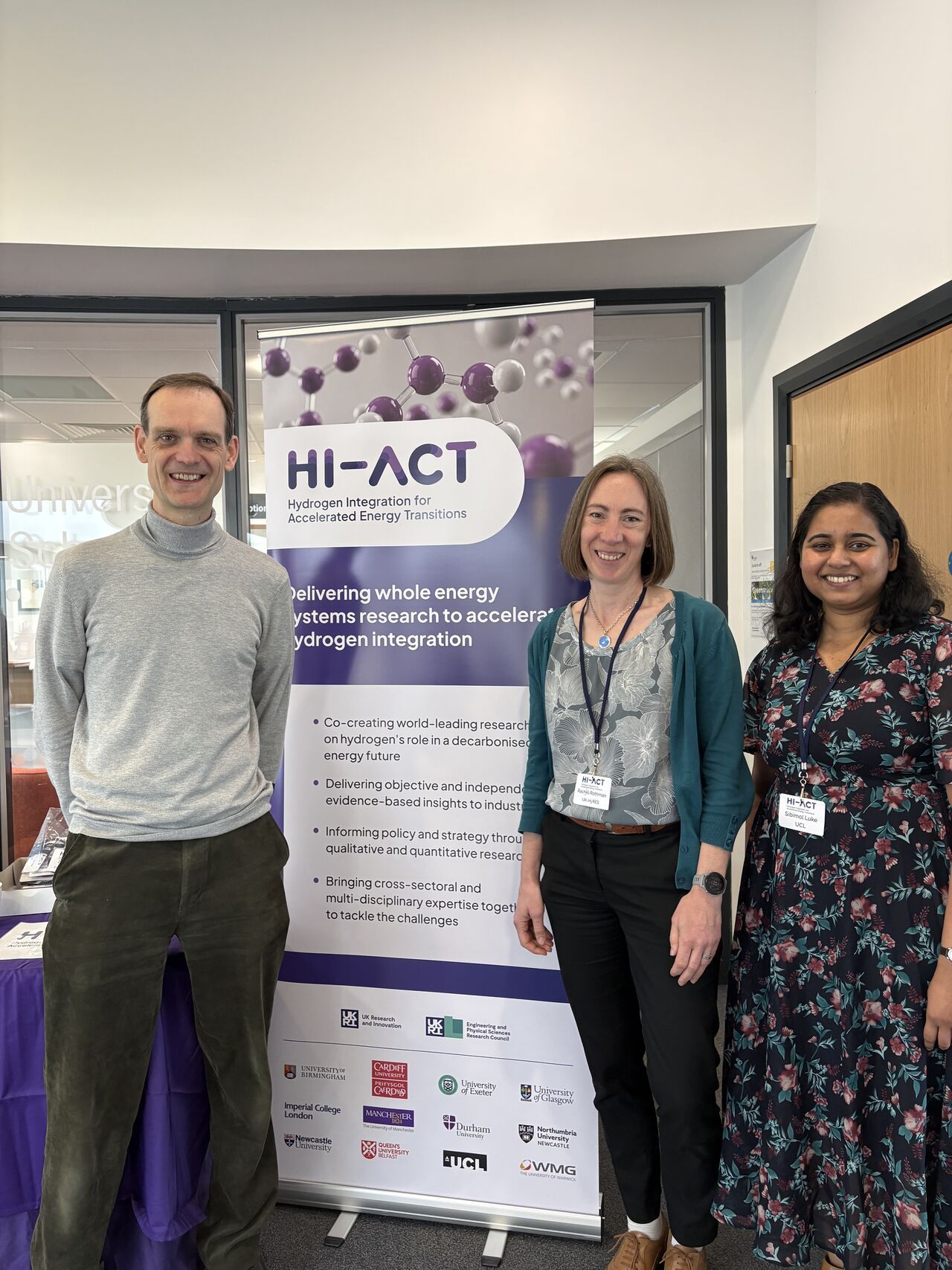
Representatives from UK-HyRES recently attended the HI-ACT All-Hands Meeting 2026 in Durham, joining colleagues from across the hydrogen research community for two days of discussions, knowledge exchange, and collaboration.
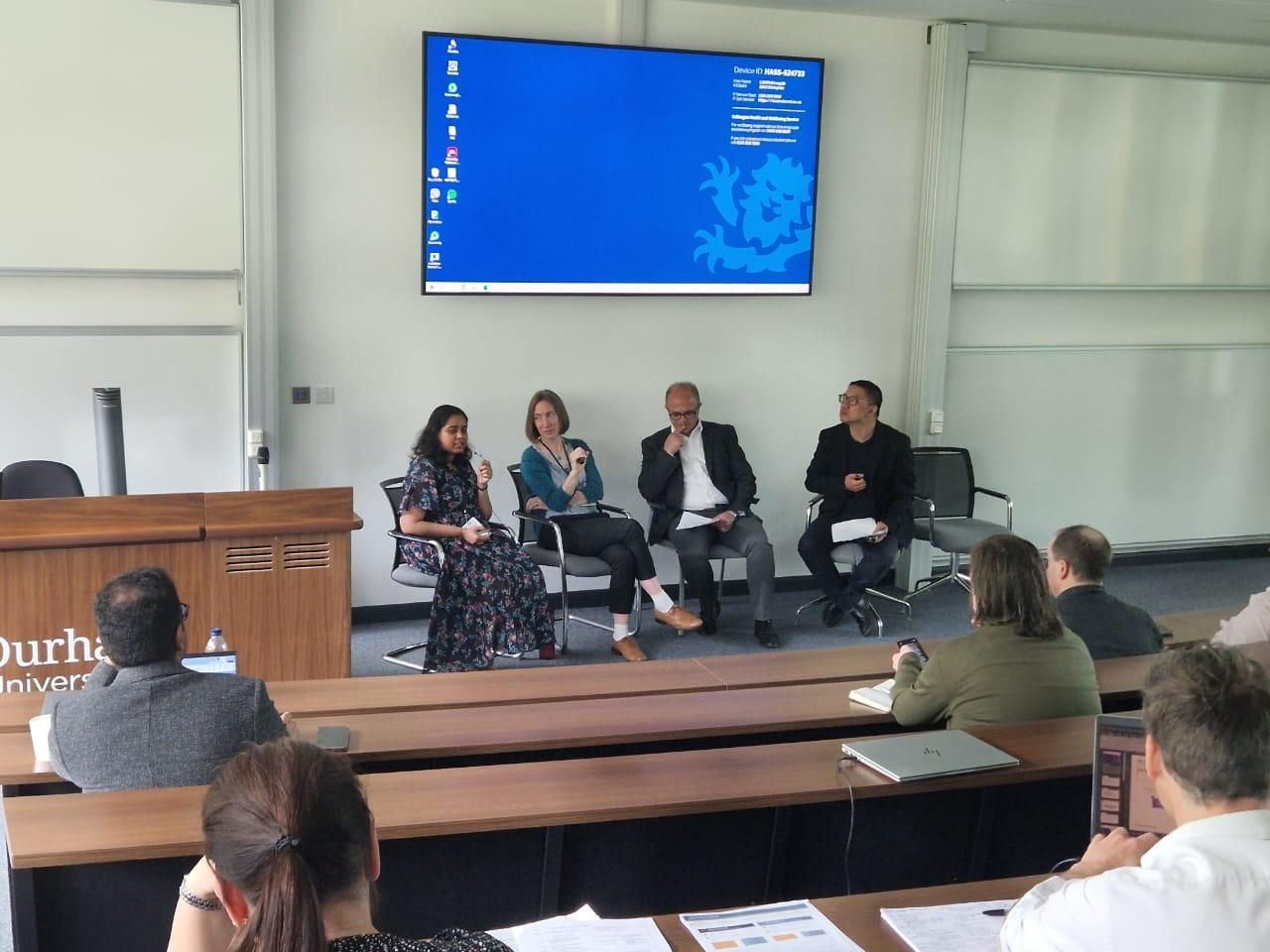
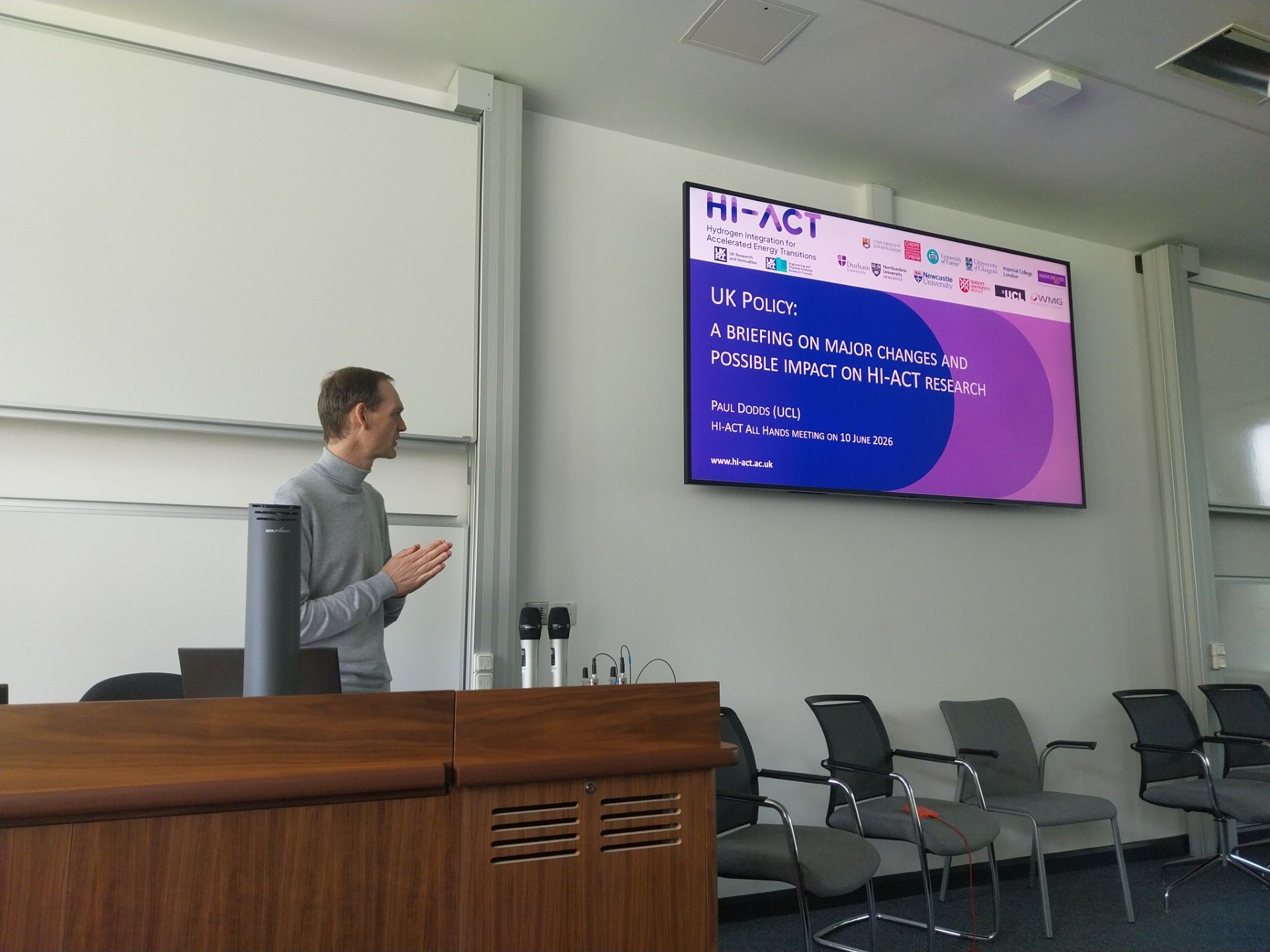
Professor Rachael Rothman, Dr Sibimol Luke, and Professor Paul Dodds represented UK-HyRES at the event, contributing to conversations on hydrogen technologies, energy systems integration, research collaboration, and the development of the next generation of hydrogen researchers.
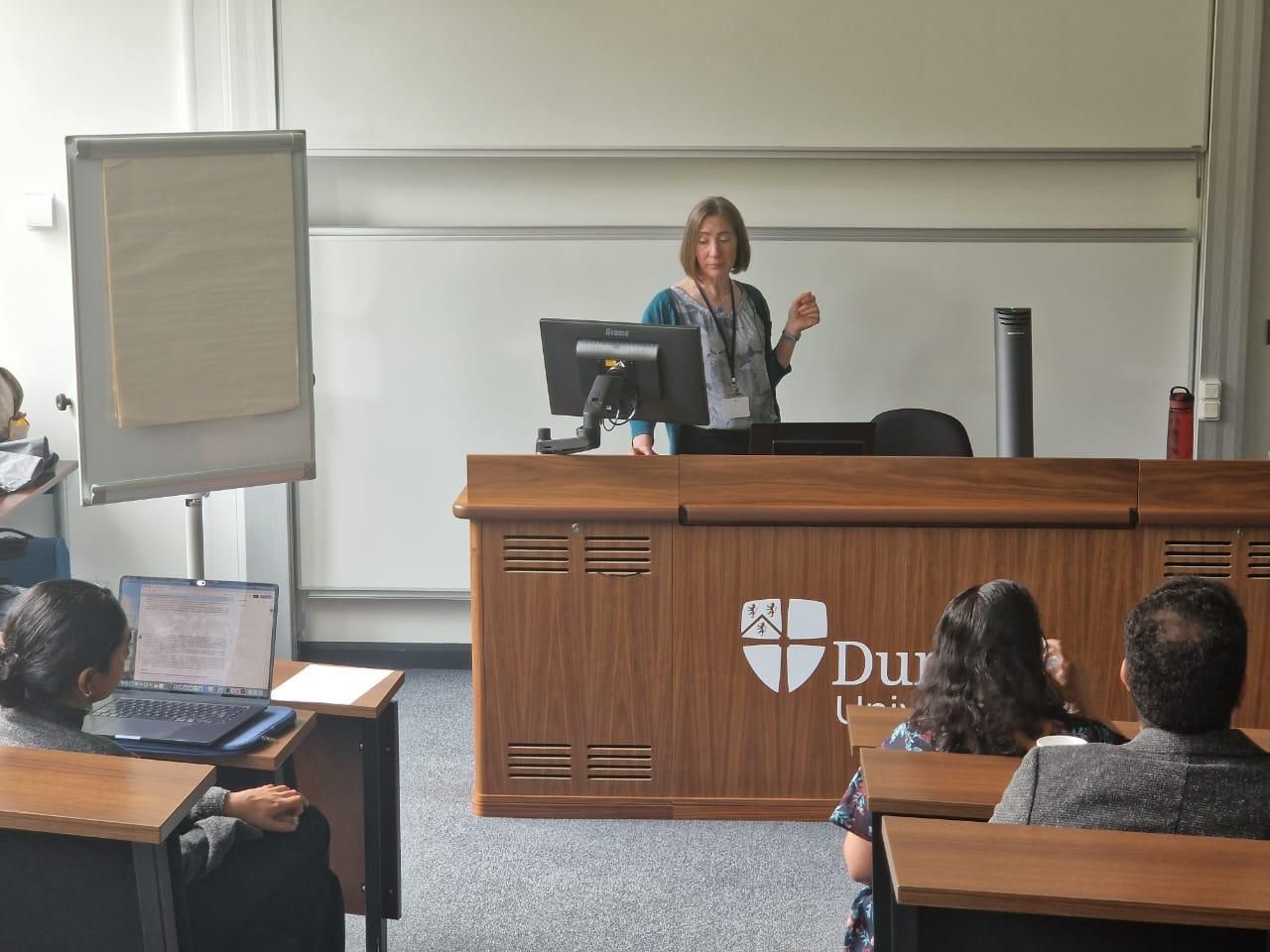
During the meeting, Professor Rachael Rothman provided an update on the latest activities and research being undertaken across the UK-HyRES Hub, highlighting ongoing efforts to address key challenges associated with hydrogen and alternative liquid fuels. Dr Sibimol Luke also shared the progress of the rapidly growing UK-HyRES Early Career Researcher (ECR) Network, which has expanded significantly over the past year and continues to create opportunities for networking, professional development, and collaboration across the UK hydrogen research community.
Discussions throughout the event explored how UK-HyRES and HI-ACT can work more closely together to maximise the impact of hydrogen research and innovation. A joint panel discussion involving colleagues from both hubs reinforced a shared commitment to strengthening connections across hydrogen systems and technologies and fostering greater collaboration between researchers, industry partners, and stakeholders.
Professor Paul Dodds contributed insights into the evolving UK policy landscape, helping to place ongoing research activities within the broader context of national energy and decarbonisation strategies. These discussions highlighted the importance of ensuring that technological innovation is closely aligned with the practical needs of future energy systems.
A key theme emerging from the meeting was the need to consider hydrogen technologies and energy systems together. Participants emphasised that understanding hydrogen’s role in the energy transition requires consideration of the technologies that enable it—including production, storage, distribution, and end-use applications. Equally, the successful development and deployment of these technologies depends on understanding how they interact with and support the wider energy system.
The event also provided an opportunity to learn more about the breadth of research being undertaken across the HI-ACT programme, exchange ideas with researchers from different disciplines, and explore opportunities for future collaboration. Conversations covered a range of topics, including ECR engagement, research synergies, knowledge exchange, and industry partnerships.
The meeting reinforced the value of collaboration across the UK’s hydrogen research landscape and highlighted the complementary strengths of the two hubs. Building on the positive discussions in Durham, UK-HyRES and HI-ACT are looking forward to continuing these conversations through forthcoming joint activities, including a dedicated research synergies workshop aimed at identifying opportunities for future collaboration and shared impact.
Through partnerships such as these, UK-HyRES remains committed to fostering a connected and collaborative hydrogen research community capable of addressing the technical, system-level, and societal challenges associated with delivering a net-zero energy future.
UK-HyRES researcher Dr Sibimol Luke recently presented research at the World Hydrogen Energy Conference (WHEC) in Singapore, one of the premier international events bringing together researchers, industry leaders, policymakers, and technology developers from across the global hydrogen sector.
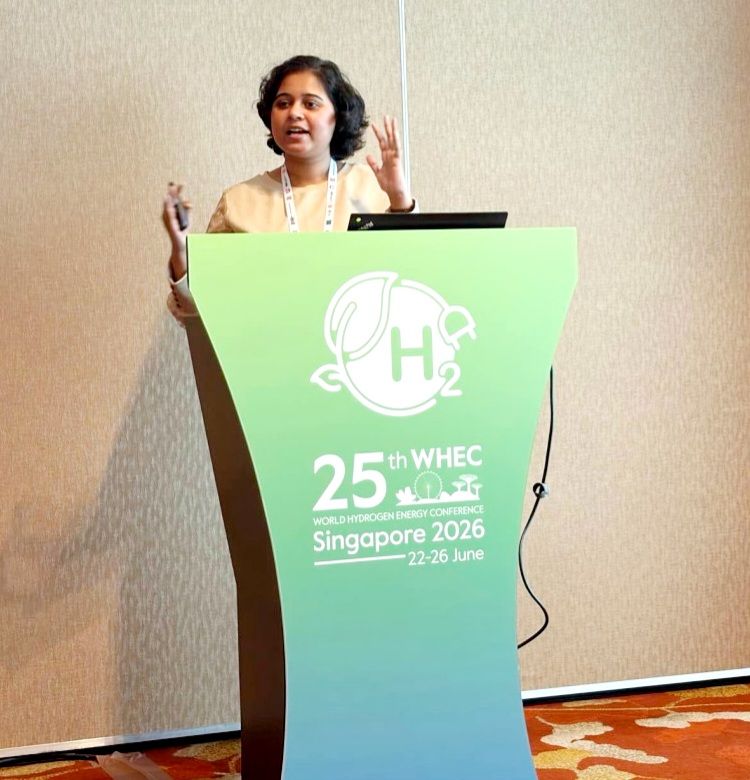
Held over five days, the conference provided a valuable platform for discussing the latest developments, challenges, and opportunities in hydrogen technologies. The event highlighted the importance of international collaboration in accelerating the transition to a low-carbon energy system, while also providing a forum for open discussions on the realities of scaling hydrogen production and deployment.
Representing UK-HyRES and The Bartlett School of Environment, Energy and Resources (BSEER), UCL, Sibimol presented research undertaken with Professor Paul Dodds entitled:
“Heat Integration and Cost Drivers in Solid Oxide Electrolysis: A UK Techno-Economic Perspective.”
The presentation explored the key factors influencing the Levelised Cost of Hydrogen (LCOH) produced through solid oxide electrolysis and examined how different technological and operational choices affect overall system economics. The work attracted considerable interest from conference participants and generated engaging discussions on the future direction of electrolyser development and hydrogen system design.
Several important findings emerged from the study:
- System flexibility has a greater impact on reducing hydrogen production costs than incremental improvements in technology performance.
- Component-level technological improvements exhibit diminishing returns beyond certain performance thresholds.
- System-level optimisation is becoming increasingly important for improving economic competitiveness.
- There is a fundamental trade-off between infrastructure costs and utilisation efficiency.
- Electrolyser utilisation is a key and often underappreciated driver of hydrogen production costs, with the frequency of operation proving just as important as electricity prices.
The research highlights a broader shift in focus within the hydrogen sector. While advances in individual components remain important, future cost reductions are increasingly likely to come from improving the design, integration, and operation of hydrogen systems as a whole.
Participation in WHEC provided an opportunity to showcase UK-HyRES research to an international audience, exchange ideas with leading experts worldwide, and contribute to discussions on the future role of hydrogen in achieving net-zero energy systems.
As the hydrogen sector continues to evolve, such international engagement helps ensure that UK research remains at the forefront of innovation and contributes to addressing the technical and economic challenges associated with large-scale hydrogen deployment.