
Overview
Converting hydrogen into an energy-rich liquid or chemical can make it easier to store, transport or use. UK-HyRES studies ammonia, methanol, ethanol and liquid organic hydrogen carriers. Research includes low-carbon synthesis, ammonia cracking and electrolysis, catalysis, fuel cells, combustion and the use of sustainable carbon sources. Each option has different conversion losses, infrastructure needs, emissions and safety implications. The theme compares complete fuel pathways – from production and transport to final use – to determine where an alternative liquid fuel offers a genuine practical and environmental advantage.
Key research questions
- How can ammonia and other liquid fuels be synthesised with lower energy demand and fewer critical materials?
- Where do easier storage and transport outweigh the energy losses involved in making and converting a carrier?
- How can ammonia be cracked, combusted or used electrochemically while controlling emissions and safety risks?
- Which complete fuel pathways offer a genuine advantage for particular industrial or transport applications?
Core research project
PT4.1 – Electrocatalysts for low-carbon ammonia synthesis
Core project | Theme lead: Professor Shanwen Tao, University of Warwick | Lead researcher: Dr Qi Zhang
This core project is developing electrocatalysts for producing ammonia through electrochemical reactions. The research investigates catalyst families and nitrogen-containing feedstocks that could enable ammonia synthesis under less energy-intensive conditions than conventional production. Work includes copper-, cobalt-, iron- and ruthenium-based materials, with a focus on production rate, selectivity and stable operation. By improving the scientific basis for electrochemical ammonia synthesis, the project explores whether ammonia can become a more sustainable fuel, hydrogen carrier and chemical feedstock – while recognising that the full pathway must also be assessed for cost, environmental performance and safety.
Flexible Fund projects
0 1
FF4 – Ammonia Release Safety Modelling
Flexible Fund 1 | Professor Jennifer Wen, University of Surrey
This project models how ammonia behaves following an accidental release. Understanding dispersion, toxicity and the conditions that shape consequences can improve risk assessment, emergency planning and the safe design of ammonia production, storage, transport and use.
0 2
FF13 – Enabling Zero-Carbon Ammonia Engines through Multiple Spark Ignition
SPRINT | Dr Linlin Yang, University of Oxford
This project investigates multiple-spark ignition as a way to improve ammonia-engine combustion. Better ignition and flame control could increase efficiency and stability while reducing problematic emissions, helping assess ammonia’s potential in transport and power applications.
0 3
FF2 – UNISON – Ultra-low NOx ammonia combustion
Flexible Fund 1 | Dr Dawei Wu, University of Birmingham
UNISON is investigating a catalytic burner designed to use neat ammonia while producing very low levels of nitrogen oxides. The project explores whether improved catalyst and burner design can make ammonia combustion cleaner and more controllable, helping assess its potential for practical heat and energy applications where direct electrification may be difficult.
0 4
FF3 – Trimonia – Lower-energy catalytic ammonia synthesis
Flexible Fund 1 | Professor Terence Liu, University of Northumbria
Trimonia is exploring a three-part strategy for producing ammonia with lower energy demand. By combining complementary catalytic approaches, the project aims to improve the efficiency of ammonia synthesis and strengthen the evidence for lower-carbon production routes that could support ammonia as a fuel, hydrogen carrier and chemical feedstock.
0 5
FF20 – Integrated ammonia-fired boilers for rural commercial readiness
ECR Fellowship | Jordan Davies, Cardiff University | Associated themes: Alternative Liquid Fuels, Economic, Safety
This project is developing a simplified integrated system for ammonia-fired boilers in rural commercial settings. It explores ammonia as a transportable hydrogen carrier and fuel, linking storage and distribution choices with practical heat applications, system integration and safety.
What this portfolio enables
Alternative liquid fuels can solve some of hydrogen’s handling challenges, but only by introducing new conversion steps, infrastructure needs and risks. This portfolio links synthesis, combustion and safety research so that candidate fuels can be judged as complete pathways. The goal is not to promote one carrier universally, but to identify where the practical benefits outweigh the losses and trade-offs.
Other technical themes
Production
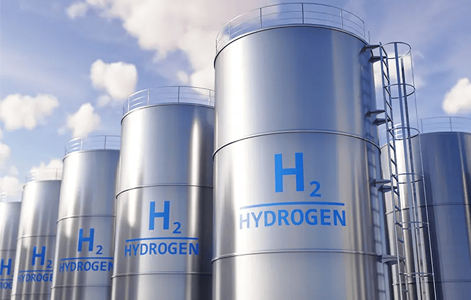
Low-carbon hydrogen will only be commercially viable at scale if it can be produced efficiently, reliably and at an acceptable cost.
Storage & Distribution
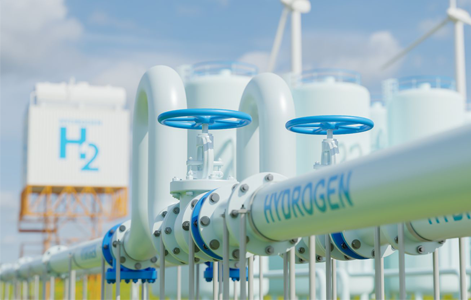
Hydrogen has a high energy content by mass but a low energy density by volume under ambient conditions. Exploring different methods and materials to maximise the energy and storage and transport options can ensure hydrogen as an energy vector to meet low carbon energy system needs.
End Use
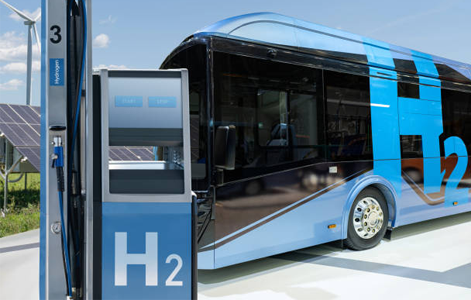
Hydrogen and alternative fuels are most likely to add value where direct electrification is difficult, such as for heavy machinery, high energy industries like glass and steel manufacture or longer distance transportation.